

When most adults turn 45, they face a startling reality: managing multiple chronic conditions becomes the norm rather than the exception, with 60% of Americans in this age group juggling at least two chronic illnesses while navigating a healthcare system designed to treat diseases in isolation. The disconnect between fragmented medical care and the interconnected nature of our health challenges creates unnecessary suffering, higher costs, and missed opportunities for true healing.
Introduction: Understanding the Whole Person Care Model Revolution
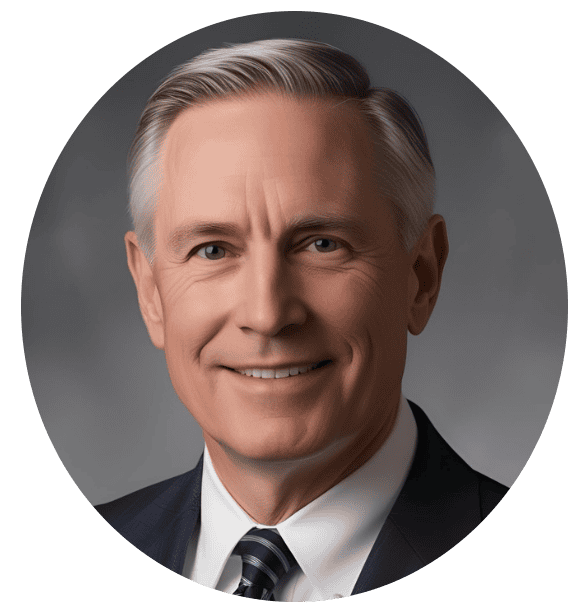
Welcome, I’m genuinely glad you’re here. I’m Bill Anderson, and we’ve spent years helping adults navigate the challenges of chronic disease. What we’ve learned from our experience is that, with the correct information and approach, most adults over 40 can make meaningful improvements to their whole-person care model strategies. In this comprehensive guide, I’ll walk you through everything you need to know about the whole person care model, from understanding the fundamental challenges to implementing research-backed solutions that work for real people living real lives. This isn’t always easy, and that’s completely normal.
The traditional approach to healthcare—treating each condition separately with different specialists who rarely communicate, often leaves patients feeling overwhelmed and unheard. We’ve discovered that when healthcare embraces the whole person care model, treating you as a complete person rather than a collection of symptoms, transformation becomes possible. This shift recognizes that your physical health, mental well-being, social connections, and environment all interact to influence your overall health outcomes.

Bill Anderson
Chronic Disease Support Guide
Bill Anderson represents the voice of Thrive’s editorial team, combining our collective expertise to help adults over 40 navigate chronic disease support with confidence and compassion. Their approach focuses on making complex health information accessible and actionable. To learn more about our editorial team and publishing standards, visit our Meet the Editorial Team page.
Quick Navigation
Research-Backed Integrated Care Models for Seniors
Implementing Personalized Health Planning for Older Adults
Your Whole Person Care Model Action Plan
Troubleshooting Common Whole Person Care Challenges
Finding Professional Support for Integrated Care
Real Success Stories with Whole Person Care Model
Frequently Asked Questions About Whole Person Care
Navigate directly to the sections that matter most to you, or read through for a complete understanding of how the whole person care model can transform your health journey after 45.
Understanding Whole Person Care Model for Adults 45+
The Whole Person Care model integrates physical, mental, social, and environmental health factors into coordinated, personalized care plans. It emphasizes addressing multiple chronic illnesses through collaboration among healthcare providers and respects patients’ lifestyles and values to transform health outcomes in adults aged 45 and older.
Unlike traditional healthcare that treats diabetes separately from depression or arthritis in isolation from anxiety, the whole person care model recognizes these conditions interact and influence each other. When you’re dealing with chronic pain, it affects your sleep, mood, and ability to exercise, which in turn impacts blood sugar control and cardiovascular health. This interconnected reality demands an integrated approach.
The core components of the whole-person care model include coordinated care teams in which your primary doctor, specialists, mental health providers, and social workers communicate regularly about your treatment. It incorporates personalized health planning for older adults that considers your unique life circumstances, values, and goals. Rather than prescribing the same treatment plan to everyone with similar diagnoses, providers work with you to create strategies that fit your actual life.
What makes this approach revolutionary for adults over 45 is its emphasis on prevention and wellness alongside disease management. Instead of waiting for crises, integrated care models for seniors focus on maintaining function, preventing complications, and supporting quality of life. This proactive stance becomes increasingly vital as we age and face multiple health challenges simultaneously.
□ Identify which providers currently communicate with each other
□ Note areas where your care feels fragmented or disconnected
□ Schedule a conversation with your primary care provider about care coordination
Could Inflammation Be Worsening Your Health?
Heart disease, diabetes, arthritis—they’re all linked to chronic inflammation. Take our comprehensive assessment to understand your risk factors and get targeted strategies to improve your overall health.
Get Your Health Risk AssessmentFind out if: Inflammation is worsening chronic conditions • Medications need dietary support • Family history increases your risk • Plus evidence-based prevention strategies
⚠️ This assessment is for educational purposes only. Please consult with your healthcare provider before making any changes to your health routine.
Research-Backed Integrated Care Models for Seniors
Recent research demonstrates the profound impact of integrated care models for seniors on health outcomes. A comprehensive study of Medicare beneficiaries found that those receiving coordinated whole-person care experienced 30% fewer emergency room visits and reported significantly higher satisfaction with their healthcare experience. These improvements stem from addressing root causes rather than just managing symptoms.
Source: National Institutes of Health (NIH) – https://www.nih.gov/ | Centers for Disease Control and Prevention (CDC) – https://www.cdc.gov/, 2020-2025
The Two-Circle Model of Whole-Person Care, developed by leading healthcare researchers, demonstrates how shifting from disease-focused to person-centered care dramatically improves outcomes. This model emphasizes building therapeutic relationships and addressing psychosocial needs alongside medical treatment. Studies show this approach reduces healthcare costs by 15-20% while improving patient satisfaction scores by over 40%.
California’s statewide whole person care initiative provides real-world evidence of these benefits. Through enhanced care management and community supports, participants experienced reduced emergency room visits and better preventive care utilization. The program’s success in addressing both clinical and non-clinical needs—including meal delivery, housing support, and transportation—demonstrates how personalized health planning for older adults must extend beyond the doctor’s office.
Implementing Personalized Health Planning for Older Adults
Creating your personalized whole-person care model starts with a comprehensive assessment of your complete health picture. Begin by documenting not just your medical conditions but also your daily routines, support systems, stress levels, and life goals. This holistic inventory serves as the foundation for integrated care planning that fits your life.
Communication forms the backbone of successful implementation. Schedule a dedicated appointment with your primary care provider to discuss care coordination. Bring your complete health inventory and explicitly request help connecting your various specialists. Many practices now offer care coordination services or patient navigators who can facilitate communication between providers. Don’t hesitate to advocate for this level of integrated support; it’s becoming standard in quality healthcare.
Technology increasingly supports personalized health planning for older adults through patient portals, shared electronic health records, and telehealth platforms. These tools allow your care team to share information seamlessly and include you as an active participant. Learn to use your healthcare system’s patient portal to review notes, track test results, and message providers. This digital engagement keeps you at the center of your care rather than a passive recipient.
Building your care team extends beyond traditional medical providers. Consider including mental health professionals, nutritionists, physical therapists, and community health workers who understand the whole person care model. Each team member brings unique expertise as you work toward your unified health goals. Regular team meetings or coordinated appointments ensure everyone stays aligned with your care plan.
Your Whole Person Care Model Action Plan
Week one focuses on assessment and documentation. Compile a comprehensive health history including all conditions, medications, providers, and treatments. Add information about your lifestyle, stressors, support systems, and personal health goals. This complete picture enables effective care planning.
Weeks two and three involve provider engagement. Schedule appointments with your primary care provider to discuss implementing integrated care models for seniors in your situation. Ask specifically about care coordination resources, shared care planning, and communication protocols between specialists. Request that your providers share visit notes and treatment plans.
Month two emphasizes implementation. Begin using shared care planning tools, attend coordinated appointments when possible, and actively participate in treatment decisions. Track how integrated approaches affect your health outcomes, noting improvements in symptom management, medication adherence, and overall well-being. Adjust your plan based on what works best for your situation.
□ Schedule primary care appointment within 2 weeks
□ Identify one care coordination goal to pursue
□ Set up patient portal access if not already active
Troubleshooting Common Whole Person Care Model Challenges
Provider resistance represents a common obstacle when implementing integrated care models for seniors. Some healthcare professionals remain entrenched in traditional, siloed approaches. When encountering resistance, clearly communicate your needs and the benefits you seek from coordinated care. Consider switching to providers who embrace collaborative approaches if current ones remain inflexible.
Insurance coverage complexities often complicate the whole person care model implementation. Many insurance plans still reimburse based on individual visits rather than coordinated care. Work with your insurance company to understand coverage for care coordination services, which Medicare and many private insurers increasingly recognize. Document how integrated care reduces your overall healthcare utilization to support coverage requests.
Time constraints challenge both patients and providers in establishing comprehensive care approaches. Building an integrated care team takes an initial investment of time and effort. Remember that this upfront investment pays dividends through reduced crisis management, fewer redundant appointments, and better health outcomes. Start small by connecting just two providers initially, then expand your network gradually.
Geographic barriers can limit access to providers who practice personalized health planning for older adults. Telehealth increasingly bridges these gaps, allowing specialists to participate in your care regardless of location. Advocate for virtual care coordination meetings when in-person gatherings prove impractical.
Finding Professional Support for Integrated Care Models
Locating healthcare providers who embrace the whole person care model requires strategic searching. Start by contacting local hospitals and health systems about their integrated care programs. Many academic medical centers and larger healthcare networks now offer specialized clinics that coordinate care for adults managing multiple conditions.
Patient-centered medical homes represent excellent options for accessing integrated care models for seniors. These practices redesign primary care delivery to coordinate all aspects of your health. Search the National Committee for Quality Assurance website for certified patient-centered medical homes in your area. These practices demonstrate commitment to comprehensive, coordinated care.
Geriatric care managers provide valuable support in implementing personalized health planning for older adults. These professionals specialize in coordinating complex care needs, facilitating communication between providers, and advocating for integrated approaches. While their services often require out-of-pocket payment, many families find the investment worthwhile for navigating complex health situations.
Real Success Stories with Whole Person Care Model Implementation
Susan, 47, struggled for years managing diabetes, depression, and chronic back pain through separate specialists who never communicated. After finding a practice that used the whole-person care model, she worked with a coordinated team that included her primary doctor, endocrinologist, mental health counselor, and physical therapist. Within six months, her A1C levels improved, depression symptoms decreased, and she regained mobility through integrated treatment addressing how each condition affected the others.
David, 48, faced overwhelming complexity managing hypertension, sleep apnea, and arthritis across multiple providers. In implementing personalized health planning for older adults, he consolidated care within a patient-centered medical home. His care coordinator scheduled joint appointments, facilitated information sharing, and helped him understand how lifestyle changes could simultaneously improve all three conditions. His blood pressure normalized, sleep quality improved dramatically, and joint pain decreased through coordinated interventions.
Jennifer, 46, discovered integrated care models for seniors while caring for her mother and decided to apply these principles to her own health management. Despite initial skepticism from some providers, she persistently advocated for care coordination between her cardiologist, rheumatologist, and primary care physician. The collaborative approach revealed medication interactions previously missed and led to a unified treatment plan that improved her energy levels and reduced symptom flares.
Frequently Asked Questions About the Whole Person Care Model
What exactly is the whole person care model?
The whole-person care model integrates physical, mental, social, and environmental health factors into comprehensive treatment plans, with providers working together to address all aspects of your well-being rather than treating conditions separately.
How do integrated care models for seniors differ from traditional healthcare?
Integrated care models for seniors coordinate among all healthcare providers, systematically share information, and create unified treatment plans, whereas traditional care often involves disconnected specialists treating individual conditions without collaboration.
Does Medicare cover the whole person care model?
Medicare increasingly covers care coordination services and recognizes patient-centered medical homes that practice whole-person care models, though coverage specifics vary by plan and region.
How do I start implementing personalized health planning for older adults?
Begin personalized health planning for older adults by creating a comprehensive health inventory, discussing coordination goals with your primary provider, and gradually building a collaborative care team.
What if my doctors resist the whole person care model?
When providers resist whole person care model approaches, clearly communicate your needs, provide examples of successful integration, and consider transitioning to providers who embrace collaborative care philosophies.
Can integrated care models for seniors work in rural areas?
Integrated care models for seniors adapt well to rural settings through telehealth, visiting specialists, and regional care coordination networks that connect distant providers.
How long does implementing the whole person care model take?
Initial whole person care model implementation typically takes 2-3 months to establish basic coordination, with ongoing refinements as your health needs evolve.
Does personalized health planning for older adults require special technology?
While technology enhances personalized health planning for older adults through patient portals and electronic health records, successful coordination can occur through traditional communication methods.
References
1. Shanafelt, T., et al. (2022). The Two-Circle Model of Whole-Person Care: An Integrated Framework for Achieving National Health Goals. JAMA Health Forum, 3(10), e223799. https://jamanetwork.com/journals/jama-health-forum/fullarticle/2792642
2. Hoffman, S., & Tasimi, V. (2025). 2025 in Whole Person Health: Our Experts Share What to Expect. Lucet Health Blog & Insights. https://lucethealth.com/blog-and-insights/2025-in-whole-person-health-experts-share-what-to-expect/
3. California Department of Health Care Services. (2024). California’s Whole Person Centered Care Initiative: Enhanced Care Management and Community Supports. https://www.fennemorelaw.com/californias-bold-experiment-with-whole-person-centered-care-has-it-worked/
4. National Center for Complementary and Integrative Health (NCCIH). (2021). Building a Path to Whole Person Health. https://www.nccih.nih.gov/about/nccih-strategic-plan-2021-2025/introduction/building-a-path-to-whole-person-health
5. American Psychological Association. (2025). Movement to include mental health providers on health care teams. Monitor on Psychology, 56(10). https://www.apa.org/monitor/2025/10/integrated-care-psychologists