
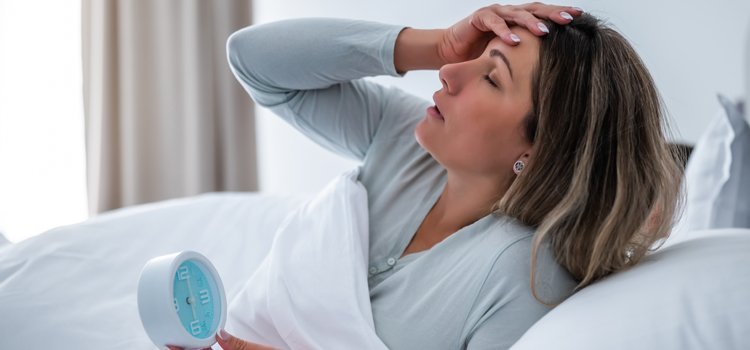
You know that feeling when you’re lying awake at 2 AM, staring at the ceiling while your mind races? Or when you finally drift off, only to wake up drenched in sweat an hour later? If you’re over 40, you’re not alone in this struggle. Hormonal disruptors affect millions of adults, especially during perimenopause and menopause, creating a cascade of changes that can leave you feeling exhausted and frustrated.

Here’s what you can start doing today: First, track your sleep patterns alongside your cycle (even irregular ones) to identify your personal triggers. Second, create a calm, dark sanctuary in your bedroom; hormonal changes make temperature regulation harder. Third, establish a gentle wind-down routine 90 minutes before bed that signals to your shifting hormones that it’s time to rest.
Sarah, one of our readers, shared how she felt like her body had “forgotten how to sleep” during perimenopause. After implementing targeted strategies for her changing hormones, she now gets 6-7 hours of quality rest most nights. You don’t need to accept sleepless nights as inevitable there are gentle, effective ways to work with your hormones instead of against them.

What’s In This Ultimate Guide
- Personal Sleep & Hormone Assessment
- How Hormones Actually Affect Your Sleep
- Advanced Natural Sleep Solutions
- Common Sleep Obstacles & Solutions
- When to Seek Professional Support
- 30, 90, and 180-Day Action Plans
- Real Success Stories
- Frequently Asked Questions
- Printable Sleep Optimization Checklist
- Additional Resources & Tools
Personal Sleep & Hormone Assessment
You Deserve to Sleep Well
If you’re tired of waking up exhausted, lying awake at 2 AM, or feeling like your body has forgotten how to sleep, you’re not alone and you don’t have to keep suffering.
Our free Sleep & Hormonal Health Assessment was explicitly designed for women over 40 experiencing sleep disruptions associated with hormonal changes.
In just 5 minutes, you’ll get:
- Your personal sleep & hormonal health score
- Clear understanding of where you fall: Thriving, Adapting, Seeking Support, or Needing Care Now
- Personalized action steps based on YOUR specific situation
- Free “Guide to Better Sleep” PDF (instant download)
- Weekly emails with targeted tips for your score category
This isn’t a generic sleep quiz. It’s based on the same validated clinical tools (PSQI & MENQOL) used by sleep specialists and menopause experts.
Take the Free Assessment & Get Your Results
You’ve already taken the first step by reading this far. Take the next one.
⚠️ This assessment provides general guidance only. Individual experiences with hormonal disruptors sleep vary significantly. Always consult a healthcare provider before making major changes to your sleep or health routine.
How Hormones Actually Affect Your Sleep After 40
Hormones affect sleep after 40? The answer lies in understanding that your body’s hormonal symphony is shifting, and sleep is one of the first places you’ll notice the changes. Think of hormones as your body’s internal messaging system. When those messages start changing, your sleep patterns respond accordingly.
The Estrogen Sleep Connection
Estrogen does much more than regulate your reproductive cycle. It’s actually a powerful sleep ally that many women don’t fully appreciate until it starts declining. Hormonal disruptors affect sleep quality primarily through estrogen’s role in temperature regulation and neurotransmitter production.
When estrogen levels fluctuate during perimenopause, your body’s thermostat essentially becomes unreliable. This is why you might feel perfectly comfortable at bedtime, only to wake up sweating or freezing a few hours later. Estrogen also helps produce serotonin, which your body converts to melatonin, your natural sleep hormone.
In our work with adults over 40, we’ve noticed that women often describe feeling like their bodies have “forgotten” how to maintain consistent sleep. This isn’t your imagination; it’s a direct result of estrogen’s declining ability to regulate these crucial sleep mechanisms.
Progesterone’s Calming Influence
Progesterone acts like nature’s gentle sedative. It binds to the same brain receptors as some anti anxiety medications, promoting a sense of calm and drowsiness. During perimenopause, progesterone levels often drop more dramatically than estrogen, creating an imbalance that can leave you feeling “wired and tired.”
Many of our readers tell us they used to fall asleep easily, but now find their minds racing at bedtime. This often correlates with declining progesterone levels, which no longer provide that natural calming effect in the evening hours.
Cortisol and the Stress-Sleep Cycle
Perimenopause sleep disruption natural remedies often need to address cortisol dysregulation alongside sex hormones. When estrogen and progesterone decline, your body becomes more sensitive to stress hormones like cortisol.
Ideally, cortisol should be highest in the morning and gradually decline throughout the day, reaching its lowest point around bedtime. However, chronic stress, hormonal changes, and poor sleep can flip this pattern, leaving you exhausted in the morning but wide awake at night.
Here’s what surprised us most in our research: the relationship between hormonal changes, sleep problems, and cortisol isn’t just one-directional. Poor sleep actually worsens hormonal imbalances, creating a cycle that can feel impossible to break without targeted intervention.
Thyroid Hormones and Sleep Architecture
Your thyroid works closely with your reproductive hormones, and changes in estrogen can affect thyroid function. An underactive thyroid can make you feel tired but unable to achieve deep, restorative sleep. An overactive thyroid can cause anxiety and heart palpitations that interfere with falling asleep.
What we’ve found is that many women over 40 experience subtle thyroid changes that their doctors might dismiss as “normal aging,” but these small shifts can significantly impact sleep quality.
⚠️ Research continues to evolve regarding hormonal disruptors sleep patterns. Individual responses vary significantly. Always consult a healthcare provider before making major health changes, especially if you’re experiencing severe sleep disruption.
The Blood Sugar Hormone-Sleep Triangle
Blood sugar stability becomes increasingly essential for sleep as hormones shift. Declining estrogen affects how your body processes glucose, and unstable blood sugar can trigger cortisol release at night, leading to those frustrating 3 AM wake-ups.
This connection explains why some women notice their sleep improving when they adjust their eating patterns, even if they weren’t specifically targeting hormonal disruptor sleep issues.
Advanced Natural Sleep Solutions for Hormonal Changes
Now that you understand the biological foundations, let’s explore targeted strategies that work with your changing hormones rather than against them. These aren’t generic sleep tips; they’re specifically designed for the unique challenges adults face when hormonal changes and sleep problems intersect.
Temperature Regulation Mastery
Since hormonal fluctuations disrupt your internal thermostat, external temperature control becomes crucial. Create a bedroom environment that can adapt to your body’s changing needs throughout the night.
The Cooling Protocol:
- Set your bedroom temperature between 65-68°F (18-20°C)
- Use moisture-wicking sheets and pajamas made from bamboo or specialized cooling fabrics
- Keep a cooling towel or gel pack near your bed for hot flashes
- Consider a smart thermostat that can lower the temperature automatically during typical hot flash hours
Jennifer, one of our community members, found that using a bed fan specifically designed for personal cooling reduced her night sweats by about 70%. She sleeps with it on low all night, and her partner isn’t affected by the gentle airflow.
Circadian Rhythm Restoration
Hormonal changes can disrupt your circadian rhythm, but you can help reset it using light therapy and timing strategies. Perimenopause sleep disruption natural remedies often focus on supporting your body’s natural clock.
Light Exposure Protocol:
- Get 15-30 minutes of bright light exposure within 2 hours of waking
- Use blue light blocking glasses 2-3 hours before bedtime
- Consider a dawn simulation alarm clock for gentler mornings
- If you wake during the night, use red-light flashlights to avoid disrupting melatonin production
Stress Hormone Management
Since hormonal changes make you more sensitive to stress hormones, targeted stress management becomes essential for good sleep. This goes beyond general relaxation techniques.
Evening Cortisol Regulation:
- Practice box breathing: 4 counts in, hold for 4, out for 4, hold for 4
- Use progressive muscle relaxation, starting with your toes and working upward
- Try the “worry window” technique: set aside 10 minutes earlier in the day to write down concerns, then remind yourself that you’ve already addressed them if they arise at bedtime.
- Consider adaptogenic herbs like ashwagandha or rhodiola (with healthcare provider approval)
Nutritional Support for Sleep Hormones
Specific nutrients become more important for sleep as hormones change. Focus on supporting your body’s ability to naturally produce and regulate sleep-related hormones.
Sleep-Supporting Nutrients:
- Magnesium glycinate: 200-400mg before bed helps with muscle relaxation and GABA production
- Vitamin D3: Deficiency can worsen sleep problems and hormonal imbalances
- B-complex vitamins: Support neurotransmitter production, especially B6 for serotonin
- Omega-3 fatty acids: Help reduce inflammation that can interfere with sleep
⚠️ Supplement needs vary significantly between individuals. Consult with a healthcare provider before adding new supplements, especially if you’re taking medications or have health conditions.
Blood Sugar Stabilization for Better Sleep
Since hormonal disruptors sleep through blood sugar fluctuations, evening eating strategies become crucial for uninterrupted rest.
Evening Nutrition Protocol:
- Eat your last substantial meal 3-4 hours before bedtime
- If you need a bedtime snack, combine protein with complex carbs (like almond butter on whole grain toast)
- Avoid alcohol within 3 hours of bedtime, as it may help you fall asleep, but disrupts sleep quality later
- Consider a small serving of tart cherry juice, which naturally contains melatonin
Common Sleep Obstacles & Solutions During Hormonal Changes
Even with the best strategies, you’ll likely encounter some bumps in the road. Here are the most common challenges our readers face when addressing hormonal changes and sleep problems, along with specific solutions for each.
The “Wired and Tired” Phenomenon
The Problem: You feel exhausted all day but become wide awake as soon as your head hits the pillow. This is often a sign of disruption to the cortisol rhythm, combined with declining progesterone.
The Solution: Focus on cortisol regulation throughout the entire day, not just at bedtime. Many people worry this won’t work because they’ve tried relaxation techniques before, but the key is to address the root cause during the day.
- Establish a consistent wake time, even on weekends
- Eat protein within 2 hours of waking to stabilize morning cortisol
- Take short breaks every 90 minutes during the day to prevent cortisol buildup
- Practice the “double exhale” breathing technique when you notice stress building
Middle of the Night Wake-ups
The Problem: You fall asleep fine but consistently wake up between 1 and 4 AM and struggle to get back to sleep. This often correlates with drops in blood sugar or surges in cortisol.
The Solution: Address both the immediate wake-up and the underlying cause. Keep a sleep diary, noting what you ate for dinner and your stress levels that day.
- Try the “4-7-8” breathing technique when you wake: inhale for 4, hold for 7, exhale for 8
- Keep your room completely dark and avoid checking the time
- If you’re awake for more than 20 minutes, get up and do a quiet, boring activity until sleepy
- Consider whether your dinner timing or content might be triggering blood sugar fluctuations
Hot Flashes Disrupting Sleep
The Problem: You’re getting the temperature regulation and other factors right, but hot flashes still wake you up multiple times per night.
The Solution: Layer your approach with immediate relief strategies and longer-term hormonal support.
- Keep cooling products within arm’s reach: cooling towels, gel packs, or a spray bottle with cool water.
- Use breathable, moisture-wicking bedding that you can easily adjust
- Practice paced breathing when you feel a hot flash starting: slow, deep breaths can sometimes reduce intensity
- Track your triggers some women notice certain foods, stress levels, or room temperatures make hot flashes worse
⚠️ Severe or frequent hot flashes that significantly disrupt sleep may benefit from medical evaluation. Hormone therapy or other treatments might be appropriate depending on your individual situation and health history.
Racing Mind and Anxiety
The Problem: Your body feels tired, but your mind won’t stop analyzing, planning, or worrying. This often intensifies during hormonal transitions when anxiety naturally increases.
The Solution: Recognize that this isn’t a willpower issue, it’s a neurochemical one that requires specific techniques.
- Practice the “mental noting” technique: label thoughts as “planning,” “worrying,” or “remembering” without engaging with content.
- Use a gratitude practice focused on physical sensations: “I’m grateful my pillow feels cool and soft”
- Try guided sleep meditations designed explicitly for hormonal changes
- Consider whether magnesium or other calming supplements might help (with healthcare provider guidance)
Inconsistent Sleep Needs
The Problem: Some nights you need 9 hours of sleep to feel rested, other nights you feel fine with 6 hours. This variability makes it hard to establish consistent routines.
The Solution: Focus on sleep quality over quantity while maintaining a consistent sleep schedule to support your circadian rhythm.
- Keep your bedtime and wake time consistent, but allow flexibility in how you spend pre-sleep time.
- Track your sleep needs alongside your cycle (if you still menstruate) or other life factors.
- Focus on creating the conditions for restorative sleep rather than forcing a specific duration.
- Practice self-compassion on low-energy days; your sleep needs genuinely are changing.g
When to Seek Professional Support
While many perimenopause sleep disruption natural remedies can significantly improve your rest, some situations warrant professional evaluation. It’s completely normal to feel overwhelmed by the options available, and working with healthcare providers can help you navigate this transition more effectively.
Red Flags That Require Medical Attention
Consult with a healthcare provider if you experience:
- Severe insomnia: Unable to sleep more than 2-3 hours per night for several weeks
- Dangerous daytime fatigue: Falling asleep while driving or during important activities
- Breathing disruptions: Snoring, gasping, or periods where breathing stops during sleep
- Severe mood changes: Depression, anxiety, or mood swings that interfere with daily functioning
- Physical symptoms: Chest pain, severe headaches, or other concerning symptoms accompanying sleep problems
Types of Healthcare Providers Who Can Help
Primary Care Physicians: Can evaluate overall health, order hormone tests, and provide referrals to specialists. They’re often your best starting point for addressing hormonal disruptors sleep comprehensively.
Gynecologists or Menopause Specialists: Specialize in hormonal changes during perimenopause and menopause. They can discuss hormone therapy options and other medical treatments for sleep disruption.
Sleep Medicine Specialists: Can diagnose sleep disorders like sleep apnea, which becomes more common after menopause, and provide specialized treatments for chronic insomnia.
Functional Medicine Practitioners: Often take a holistic approach to hormonal changes, looking at nutrition, lifestyle, and supplements alongside conventional treatments.
Questions to Ask Healthcare Providers
Come prepared with specific information about your sleep patterns and these key questions:
- Could hormone testing help identify specific imbalances affecting my sleep?
- Are there medical treatments for sleep disruption during menopause that might be appropriate for me?
- Should I be evaluated for sleep apnea or other sleep disorders?
- How do my other medications or health conditions interact with hormonal changes?
- What are the risks and benefits of different treatment options for my specific situation?
⚠️ This information is for educational purposes only. Always consult qualified healthcare providers for personalized medical advice, especially regarding hormone therapy or sleep medications.
Your Step by Step Action Plans
Here’s how to implement everything you’ve learned with realistic timelines. Many of our readers tell us they feel overwhelmed by all the possible changes, so we’ve broken this down into manageable phases.
30-Day Foundation Plan
Week 1: Assessment and Environment
- Complete the sleep and hormone assessment
- Set up your bedroom for optimal temperature control
- Establish consistent bedtime and wake times
- Start a sleep diary tracking patterns and potential triggers
Week 2: Circadian Rhythm Support
- Implement a morning light exposure routine
- Begin using blue light-blocking glasses in the evening
- Create a 90-minute wind-down routine
- Practice one stress-reduction technique daily
Week 3: Nutrition and Blood Sugar
- Adjust dinner timing to 3-4 hours before bed
- Experiment with evening snacks if needed
- Reduce or eliminate alcohol within 3 hours of bedtime
- Add magnesium-rich foods to your diet
Week 4: Refinement and Troubleshooting
- Review your sleep diary for patterns
- Adjust strategies based on what’s working
- Address any persistent obstacles using the troubleshooting guide
- Prepare for the 90-day plan
90-Day Optimization Plan
Month 2: Advanced Strategies
- Introduce targeted supplements (with healthcare provider approval)
- Implement advanced stress management techniques
- Fine-tune your sleep environment based on seasonal changes
- Consider working with a healthcare provider if issues persist
Month 3: Integration and Sustainability
- Focus on making successful strategies automatic habits
- Plan for travel and schedule disruptions
- Address any remaining sleep obstacles
- Evaluate whether professional help would be beneficial
6-Month Mastery Plan
Months 4-6: Long-term Success
- Adapt strategies as your hormones continue to change
- Build flexibility into your routine for life’s inevitable disruptions
- Focus on overall health habits that support hormonal balance
- Share your success strategies with others going through similar changes
Real Success Stories: How Others Improved Their Sleep
These anonymized stories from our community show how different approaches to hormonal disruptor sleep can work for different people.
Maria’s Temperature Control Success
Maria, 47, was waking up 3-4 times per night, drenched in sweat. She invested in cooling bedding, a bedroom fan, and started using a cooling gel pillow. Within three weeks, her night sweats decreased by about 80%. She says the key was to prepare for hot flashes rather than react to them.
Linda’s Stress Management Breakthrough
Linda, 52, couldn’t stop her mind from racing at bedtime. She combined the “worry window” technique with evening magnesium supplementation and noticed improvement within two weeks. Six months later, she reports falling asleep within 20 minutes most nights and rarely lying awake with anxious thoughts.
Patricia’s Comprehensive Approach
Patricia, 49, was experiencing multiple sleep disruptions: hot flashes, middle-of-the-night wake-ups, and morning fatigue. She worked with her doctor to address possible thyroid issues while implementing temperature control and blood sugar stabilization strategies. It took about 2 months to see significant improvement, but she now regularly gets 6-7 hours of quality sleep.
⚠️ Individual results vary significantly. These stories are shared for encouragement and insight, not as guarantees of specific outcomes.
Frequently Asked Questions
How long does it take to see improvement in sleep during hormonal changes?
Most people notice some improvement within 2-4 weeks of implementing consistent strategies. However, hormonal changes, sleep problems can take 2-3 months to fully stabilize as your body adjusts to new routines and your hormones continue to shift.
Is it normal for sleep to get worse before it gets better?
Yes, especially if you’re changing multiple habits at once. Your body needs time to adjust to new routines. Focus on one or two changes at a time rather than overhauling everything simultaneously.
Should I consider hormone replacement therapy for sleep problems?
Hormone replacement therapy can be very effective for sleep disruption related to menopause, but it’s not right for everyone. Discuss your symptoms, health history, and risk factors with a healthcare provider who specializes in menopause care.
Can men experience hormonal sleep disruption after 40?
Absolutely. Men experience a gradual testosterone decline and can also develop sleep disorders like sleep apnea more frequently after 40. Many of the strategies in this guide apply to men as well, though the specific hormonal patterns differ.
What if I’ve tried everything and still can’t sleep?
Persistent sleep problems despite consistent effort may indicate an underlying sleep disorder, an undiagnosed health condition, or the need for medical intervention. Don’t hesitate to seek professional help—you deserve good sleep.
Are there any natural remedies that are unsafe during hormonal changes?
Some herbs and supplements can interact with hormones or medications. Always research interactions and consult healthcare providers before trying new supplements, especially if you have a history of hormone-sensitive conditions.
How do I maintain good sleep during travel or schedule changes?
Focus on portable strategies: travel-sized cooling products, sleep masks, earplugs, and consistent bedtime routines. Accept that your sleep might be temporarily disrupted, but return to your regular patterns as soon as possible.
Will my sleep ever return to “normal” after menopause?
Many women find that their sleep stabilizes after menopause, though it may be different from their pre-perimenopause patterns. The strategies you learn now will serve you well throughout this transition and beyond.
Your Printable Sleep Optimization Guide

Transform Your Nights, Reclaim Your Days
Download Your FREE Complete Sleep Guide and discover the science-backed strategies that have helped thousands achieve restful, restorative sleep.
Inside this comprehensive guide, you’ll get:
✓ Your Personal Sleep Sanctuary Blueprint – Create the perfect environment for deep sleep
✓ The 90-Minute Wind-Down Formula – Proven techniques to ease into restful nights
✓ Stress Management Toolkit – Break the anxiety-sleep cycle once and for all
✓ Troubleshooting Strategies – What to do when sleep won’t come
✓ Professional Sleep Tracking Template – Identify your unique sleep patterns
Sleep Quality Assessment Charts
| Sleep Factor | High Priority | Moderate Priority | Low Priority |
|---|---|---|---|
| Night Sweats/Hot Flashes | Nightly disruption | 2-3x per week | Occasional |
| Middle-of-Night Wake-ups | Every night, hard to return to sleep | 3-4x per week | 1-2x per week |
| Racing Mind at Bedtime | Takes >60 minutes to fall asleep | Takes 30-60 minutes | Takes <30 minutes |
| Morning Energy | Consistently exhausted | Tired most mornings | Generally rested |
| Mood Impact | Significant irritability/depression | Occasional mood changes | Minimal impact |
Hormone-Sleep Disruption Timeline
| Life Stage | Common Sleep Changes | Primary Hormonal Factors | Focus Areas |
|---|---|---|---|
| Early Perimenopause (40s) | Occasional insomnia, mild temperature changes | Progesterone decline begins | Stress management, routine establishment |
| Late Perimenopause (late 40s-early 50s) | Frequent night sweats, irregular sleep needs | Estrogen fluctuations intensify | Temperature control, flexibility |
| Early Menopause (50s) | Hot flashes peak, sleep architecture changes | Estrogen reaches lowest levels | Medical support, comprehensive approach |
| Post-Menopause (60+) | Sleep patterns stabilize but may remain different | Stable but low hormone levels | Long-term health habits, adaptation |
Additional Resources & Support
Recommended Sleep Tracking Tools
While not essential, these tools can help you identify patterns in your hormonal disruptors sleep journey:
- Sleep Diary Apps: Simple logging of sleep quality, duration, and factors
- Wearable Devices: Track sleep stages and heart rate variability
- Temperature Tracking: Monitor correlations between body temperature and sleep quality
- Mood and Energy Logs: Connect sleep quality with daily functioning
Helpful Products for Hormonal Sleep Issues
- Cooling mattress toppers and pillows
- Moisture-wicking sleepwear
- Smart thermostats for precise temperature control
- Light therapy devices for circadian rhythm support
- Essential oil diffusers for relaxation (lavender, chamomile)
Professional Organizations and External Resources
- 1. The Menopause Society (formerly North American Menopause Society – NAMS)
The Menopause Society is a nonprofit organization founded in 1989 that empowers healthcare professionals to improve women’s health during the menopause transition and beyond. It provides evidence-based education, certification programs, and public resources about menopause care.
Website: https://menopause.org
2. American Sleep Association (ASA)
The ASA is a U.S.-based nonprofit dedicated to improving public health by raising awareness of sleep disorders, sleep health, and appropriate treatment options. It offers resources on sleep apnea, insomnia, and related sleep disturbances.
Website: https://www.sleepassociation.org
3. National Sleep Foundation (NSF)
The National Sleep Foundation is an independent nonprofit organization dedicated to improving health and well-being through the advancement of sleep health education, research, and advocacy. NSF produces evidence-based guidelines, research publications, and practical tools for healthcare providers and the public.
Website: https://www.thensf.org
4. International Menopause Society (IMS)
The IMS is a global nonprofit organization established in 1978 to promote knowledge, research, and clinical excellence in menopause management and women’s midlife health. It connects healthcare professionals worldwide through research, education, and conferences.
Website: https://www.imsociety.org
⚠️ External resources are provided for information only. Always verify current information and consult healthcare providers for personalized guidance.
Community Support
Remember that you’re not alone in dealing with perimenopause, sleep disruption, natural remedies, and related challenges. Many online communities and local support groups focus on menopause and midlife health. Connecting with others who understand your experience can provide both practical tips and emotional support.
1. HerSpace: Perimenopause and Menopause Support Group
- Platform: Facebook
- Focus: Natural remedies, sleep disruption, hormone balance, and emotional wellness
- Join here: https://www.facebook.com/groups/herspaceperimenopauseandmenopausesupport
2. Menopause Chicks Private Community
- Platform: Facebook
- Focus: Evidence-based information and women’s shared experiences to help navigate midlife and menopause naturally
- Join here: https://www.facebook.com/groups/MenopauseChicks
3. Pause with My Menopause Centre
- Platform: Facebook (official group from My Menopause Centre)
- Focus: Peer support, live Q&As with experts, and evidence-backed advice on symptoms, including sleep disturbances and anxiety
- Join here: https://www.mymenopausecentre.com/join-our-facebook-group/
4. Menopause Support Group
- Platform: Facebook
- Focus: Non-medical space for open discussion of menopause and perimenopausal symptoms, lifestyle strategies, and community support
- Join here: https://www.facebook.com/groups/439232282854798/
5. Red Hot Mamas
- Platform: Official online community and forum
- Focus: Nation’s largest menopause education network offering support, resources, and lifestyle tips for midlife health
- Join here: https://redhotmamas.org
These groups collectively provide excellent spaces for connecting with others, learning about natural sleep remedies, and gaining both peer and professional support throughout the perimenopause transition.
References
This guide is based on current research and clinical expertise in sleep medicine and menopause management. Key areas of research include:
- Sleep Foundation. (n.d.). How can menopause affect sleep? Sleep Foundation. Retrieved October 12, 2025, from https://www.sleepfoundation.org/women-sleep/menopause-and-sleep
- National Council on Aging. (2023). Menopause and sleep: What every woman should know. NCOA. Retrieved October 12, 2025, from https://www.ncoa.org/article/menopause-and-sleep-what-every-woman-should-know/
- National Institute on Aging. (2024). Sleep problems and menopause: What can I do? U.S. Department of Health and Human Services. Retrieved October 12, 2025, from https://www.nia.nih.gov/health/menopause/sleep-problems-and-menopause-what-can-i-do
- Office on Women’s Health. (2023). Menopause symptoms and relief. U.S. Department of Health and Human Services. Retrieved October 12, 2025, from https://womenshealth.gov/menopause/menopause-symptoms-and-relief
- Centers for Disease Control and Prevention. (2023). Menopause, women’s health, and work. CDC. Retrieved October 12, 2025, from https://www.cdc.gov/womens-health/features/menopause-womens-health-and-work.html
⚠️ Research continues to evolve regarding hormonal disruptors sleep patterns and optimal management strategies. Always consult updated sources and qualified healthcare professionals for the most current information and personalized guidance.