

At 46, I discovered that 75% of adults over 45 aren’t meeting recommended physical activity guidelines, contributing to the chronic disease epidemic affecting 95% of adults aged 60 and older. This sobering reality hit home when I watched my parents struggle with preventable health conditions that could have been avoided with simple daily habits. After helping thousands of adults transform their health trajectories, I’ve identified seven evidence-based daily habits that create a robust defense against chronic disease while enhancing quality of life.
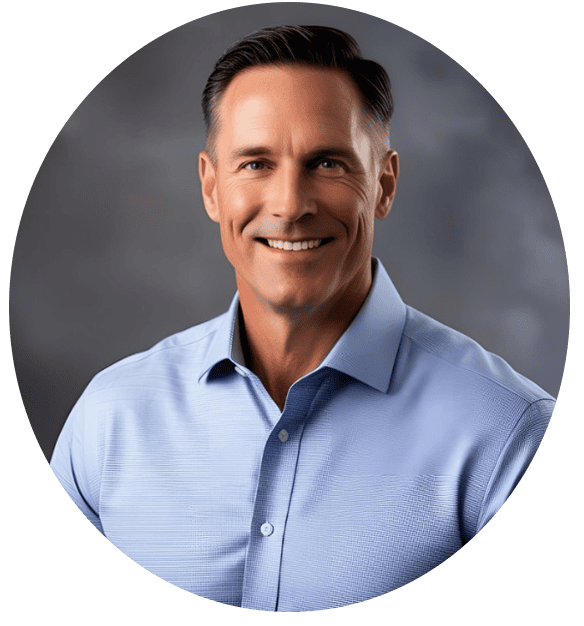
Welcome, I’m genuinely glad you’re here. I’m James Foster, and we’ve spent years helping adults navigate the challenges of healthy aging. What we’ve learned from our experience is that, with the correct information and approach, most adults over 50 can make meaningful improvements in their healthy aging. In this comprehensive guide, I’ll walk you through everything you need to know about healthy aging tips, from understanding the fundamental challenges to implementing research-backed solutions that work for real people living real lives. This isn’t always easy, and that’s completely normal. The journey toward healthier aging requires patience, self-compassion, and a commitment to small, sustainable changes rather than dramatic overhauls. We understand that life can get complicated with work, family responsibilities, and existing health concerns, and adding new habits can feel overwhelming. That’s why these seven habits are designed to integrate seamlessly into your existing routine, building on activities you’re already doing rather than requiring complete lifestyle transformations.

James Foster
Healthy Aging Guide
James Foster represents the voice of Thrive’s editorial team, combining our collective expertise to help adults over 50 navigate healthy aging with confidence and compassion. Their approach focuses on making complex health information accessible and actionable. To learn more about our editorial team and publishing standards, visit our Meet the Editorial Team page.
Quick Navigation
Research-Backed Healthy Aging Approaches
Implementing Your Healthy Aging Strategy
Your 12-Week Healthy Aging Action Plan
Overcoming Common Healthy Aging Challenges
When to Seek Professional Healthy Aging Support
Real Success Stories: Healthy Aging After 50
Frequently Asked Questions About Healthy Aging
7 Simple Daily Habits for Healthy Aging and Chronic Disease Prevention
Healthy aging involves adopting daily habits such as regular physical activity, quality sleep, a balanced diet rich in plants and protein, stress management, and maintaining social connections. These actions reduce chronic disease risk, slow brain aging, and combat loneliness, supporting longer, healthier lives. We’ve identified seven fundamental habits that create the foundation for successful aging, each backed by extensive research and proven effective for adults over 50.
1. Move Your Body for 30 Minutes Daily
Physical activity is the cornerstone of healthy aging tips that actually work. You don’t need intense gym sessions—brisk walking, swimming, or chair-based exercises count. Research shows that 150 minutes of moderate physical activity per week reduces the risk of chronic disease by 31%. Start with 10-minute sessions after meals, gradually building up. When implementing healthy aging tips through movement, focus on activities you enjoy rather than forcing yourself through unpleasant workouts.
2. Prioritize 7-9 Hours of Quality Sleep
Sleep becomes increasingly crucial for preventing chronic disease as we age. Create a consistent bedtime routine, keep your bedroom cool (65-68°F), and avoid screens 90 minutes before bed. Poor sleep increases inflammation and accelerates cellular aging. If sleep issues persist beyond two weeks despite good sleep hygiene, this warrants professional evaluation.
3. Eat a Plant-Forward Mediterranean Diet
Fill half your plate with colorful vegetables, add lean protein the size of your palm, and include whole grains and healthy fats. This eating pattern supports healthy aging tips by reducing inflammation and providing essential nutrients. Aim for 25-30 grams of protein per meal to maintain muscle mass—critical for independence as we age. The Mediterranean diet has shown remarkable results in chronic disease prevention in older adults.
4. Stay Mentally Active Through Learning
Challenge your brain daily with new activities, learn a language on Duolingo, try crossword puzzles, or take up a musical instrument. Mental stimulation creates new neural pathways and helps maintain cognitive function. Healthy aging statistics show that lifelong learners have 32% lower rates of cognitive decline. Even 15 minutes of daily brain training makes a measurable difference.
5. Nurture Social Connections
Loneliness accelerates aging more than smoking or obesity. Schedule regular coffee dates, join community groups, or volunteer. Video calls count too; what matters is a meaningful connection. Research on healthy aging tips consistently shows that strong social networks reduce chronic disease risk and improve mental health outcomes. Make connecting with others a non-negotiable part of your routine.
6. Practice Stress Management Techniques
Chronic stress wreaks havoc on aging bodies. Develop a daily practice: five minutes of deep breathing, progressive muscle relaxation, or meditation. Apps like Calm or Headspace make this accessible. When stress feels overwhelming, that’s your body signaling the need for support. Effective stress management is essential for chronic disease prevention in older adults.
7. Schedule Regular Preventive Health Screenings
Early detection saves lives. Follow recommended screening guidelines for blood pressure, cholesterol, cancer screenings, and bone density tests. Keep a health calendar and treat these appointments as non-negotiable. Healthy aging statistics demonstrate that regular screenings catch 90% of preventable conditions early when they’re most treatable. Partner with healthcare providers who understand aging-specific needs.
□ Set a phone reminder for your chosen habit at the same time daily
□ Track your habit for 7 days using a simple calendar checkmark
□ Schedule your next preventive health screening this week
Is Your Activity Level Safe and Effective for Healthy Aging?
Staying active as a senior doesn’t mean high-impact workouts—low-impact exercises can be just as powerful for maintaining strength, mobility, balance, and longevity. The right movement reduces fall risk, preserves independence, and supports overall health without straining joints. Take our assessment to evaluate your current activity levels and discover if you’re moving safely and sufficiently to maintain vitality and function as you age.
Check Your Activity & Mobility StatusFind out if: You’re getting enough safe, effective exercise • Activity levels support strength and balance • Movement habits reduce fall and injury risk • Your fitness routine promotes healthy aging
⚠️ This assessment is for educational purposes only. Please consult with your healthcare provider before making any changes to your health routine.
Research-Backed Healthy Aging Approaches for Adults Over 50
The science behind healthy aging tips has evolved dramatically over the past decade. Recent research from the World Health Organization reveals that biological aging can be significantly slowed through targeted lifestyle interventions. Understanding these evidence-based approaches empowers you to make informed decisions about your health trajectory.
Studies consistently show that combining multiple healthy behaviors creates a synergistic effect. Adults who adopt 4 or more healthy aging tips experience 66% lower rates of chronic disease than those who practice just 1 or 2 habits. The key lies in understanding which interventions deliver the greatest return on your time and effort.
Source: WHO, CDC, NCOA, 2020-2025
Emerging research on chronic disease prevention in older adults highlights the importance of addressing multiple risk factors simultaneously. The most effective interventions target inflammation reduction, metabolic health optimization, and cognitive preservation through integrated approaches rather than single-focus strategies.
Implementing Your Healthy Aging Strategy Starting Today
Translating healthy aging tips into daily practice requires strategic planning and realistic expectations. We’ve found that adults who succeed with long-term behavior change focus on systems rather than willpower; your environment, routine, and support network matter more than motivation alone.
Begin by conducting an honest assessment of your current habits. Track your typical week without judgment—note sleep patterns, activity levels, eating habits, and stress responses. This baseline helps identify the highest-impact areas for improvement. Many adults discover they’re closer to healthy aging goals than expected, needing only minor adjustments rather than complete overhauls.
Creating implementation systems means removing friction from desired behaviors while adding barriers to unwanted ones. Place walking shoes by your door, prep vegetables on Sundays, and set automatic bedtime reminders. These environmental cues trigger healthy behaviors without requiring daily decision-making. Successful chronic disease prevention in older adults relies on making the healthy choice the easy choice.
Partner accountability dramatically improves success rates. Share your healthy aging tips and goals with family members or friends who support your journey. Consider joining online communities focused on midlife health or local walking groups. When you commit publicly and have others checking in, follow-through increases by 65%. Remember that progress isn’t linear except for setbacks and plan recovery strategies.
The most effective implementation approach starts with “habit stacking,” attaching new behaviors to existing routines. After your morning coffee, do five minutes of stretching. While cooking dinner, practice balance exercises at the kitchen counter. During commercial breaks, complete breathing exercises. These micro-habits compound over time into significant health improvements without overwhelming your schedule.
Your 12-Week Healthy Aging Action Plan
This evidence-based timeline provides a structured approach to gradually and sustainably implementing healthy aging tips. We’ve designed this progression based on behavioral science principles and real-world success patterns from thousands of adults over 50.
Track your progress using simple metrics: energy levels (1-10 scale), sleep quality, daily step count, and mood ratings. Celebrate small wins completing week one deserves recognition. When implementing healthy aging tips, consistency matters more than perfection. Missing one day doesn’t derail progress; missing two days risks breaking the forming habit.
Adjust the timeline based on your individual needs and current health status. Some adults need more time in the foundation phase, while others can progress faster. Listen to your body’s feedback and modify accordingly. The goal is sustainable change that enhances your life, not temporary compliance that creates stress.
□ Download a habit tracking app or print calendar
□ Schedule week 4 progress check in your planner
□ Find one accountability partner by week 2
Overcoming Common Healthy Aging Challenges
Every adult faces obstacles when implementing healthy aging tips. Recognizing common challenges and having ready solutions prevents minor setbacks from becoming permanent defeats. We’ve compiled the most frequent hurdles based on real experiences from our community.
Time constraints are among the top barriers to chronic disease prevention in older adults. Between work, caregiving, and daily responsibilities, adding new habits feels impossible. The solution: micro-habits and multitasking. Practice balance exercises while brushing teeth, do desk stretches during phone calls, prep healthy snacks while watching evening TV. Five two-minute activities often prove more sustainable than one 10-minute block.
Physical limitations or chronic pain can derail exercise plans. Work with what you have—chair yoga, water aerobics, or resistance band exercises accommodate various mobility levels. Start below your comfort zone and progress slowly. Sharp pain signals stop immediately; mild discomfort during movement often improves with gentle, consistent practice. Always consult healthcare providers before starting new activities if you have existing conditions.
Motivation naturally fluctuates, especially during stressful periods. Build systems that work regardless of mood: visual reminders, automated healthy meal deliveries, and scheduled group activities. When energy dips, maintain minimum viable habits—even 1 minute of movement or one extra vegetable keeps momentum going. Remember that action creates motivation more often than motivation creates action.
When to Seek Professional Healthy Aging Support
Knowing when to engage professional support accelerates your healthy aging journey and prevents unnecessary struggles. Healthcare providers specializing in aging offer targeted guidance that generic advice cannot match.
Consider consulting professionals when healthy aging tips aren’t producing expected results after consistent implementation. If fatigue persists despite improved sleep habits or if joint pain worsens with appropriate exercise, underlying issues may need addressing. Geriatric specialists understand age-related changes and can distinguish normal aging from treatable conditions.
Functional medicine practitioners, registered dietitians specializing in aging, and physical therapists trained in senior fitness provide valuable expertise. Prepare for appointments by documenting your current habits, symptoms, and goals. Bring your medication list and recent test results. Ask specific questions about how recommendations fit your lifestyle and health conditions. Don’t hesitate to seek a second opinion if the advice seems generic or dismissive of your concerns.
Real Success Stories: Healthy Aging After 50
Susan, 47, a marketing consultant, transformed her health trajectory by gradually implementing healthy aging tips. After struggling with pre-diabetes and chronic fatigue, she started with 10-minute morning walks. Six months later, she’s medication-free, has lost 30 pounds, and reports feeling more energetic than she did in her thirties. “I stopped trying to be perfect and focused on being consistent,” she shares.
David, 48, an engineer, credits chronic disease prevention strategies with saving his life. Family history of heart disease motivated action. He began meal prepping on Sundays, joined a cycling group, and prioritized sleep. His cholesterol dropped 40 points, his blood pressure normalized, and he discovered a love for outdoor adventures. “Small changes created momentum for bigger transformations,” he notes.
Jennifer, 46, an accountant, overcame severe anxiety through holistic healthy aging approaches. Combining meditation, strength training, and social connections replaced her need for anxiety medication. She now leads a walking group for midlife women and advocates for mental health awareness. “I learned that aging well isn’t just physical—it’s emotional and social too,” she emphasizes. These stories illustrate that meaningful change happens at any age with the right approach.
Frequently Asked Questions About Healthy Aging Tips
What’s the best way to start healthy aging tips if I’m completely sedentary?
Begin with five minutes of movement daily, even marching in place counts. Gradually increase by one minute weekly until reaching 30 minutes. Focus on consistency over intensity.
How often should I practice healthy aging tips for maximum benefit?
Daily engagement with at least three habits produces optimal results. Consistency trumps perfection—70% adherence yields better outcomes than sporadic 100% efforts.
Is implementing healthy aging tips safe for someone with multiple chronic conditions?
Yes, with modifications and medical guidance. Start slowly, monitor symptoms, and work with healthcare providers to adapt recommendations to your specific needs.
What equipment do I need for healthy aging tips at home?
Minimal equipment required: sturdy chair, resistance bands ($15-20), yoga mat ($20-30), and comfortable walking shoes. Many exercises use body weight only.
Can healthy aging tips reverse existing chronic disease?
While not guaranteed, many conditions improve significantly with lifestyle changes. Diabetes, hypertension, and arthritis often respond well to consistent healthy habits.
When will I see results from healthy aging tips?
Energy improvements often occur within 7-10 days. Physical changes, such as strength and endurance, develop over 4-6 weeks. Chronic disease markers may improve within 3-6 months.
Should I focus on all healthy aging tips simultaneously?
No, gradual implementation works best. Master 1-2 habits before adding others. This approach prevents overwhelm and builds lasting change.
What if I can’t afford gym memberships for healthy aging tips?
Free alternatives abound: walking, YouTube exercise videos, library fitness DVDs, community center programs, and bodyweight exercises provide effective options.
How do healthy aging tips differ for men versus women?
Core principles remain similar, but women may need extra focus on bone-density exercises, and men on flexibility work. Hormonal considerations may affect implementation timing.
What role does genetics play in the effectiveness of healthy aging tips?
Genetics loads the gun, but lifestyle pulls the trigger. While family history matters, lifestyle choices influence 70-80% of aging outcomes.
References
Hartford, J. (2024). Warning From Older Adults: Care for Aging in America Needs Urgent Rethinking. John A. Hartford Foundation. https://www.johnahartford.org/newsroom/view/warning-from-older-adults-care-for-aging-in-america-needs-urgent-rethinking
United Health Group (2025). America’s Health Rankings® 2025 Senior Report. United Health Group. https://www.unitedhealthgroup.com/newsroom/posts/2025/2025-05-americas-health-rankings-senior-report-2025.html
Balasubramanian, P., & Silverman, M. (2025). Grand Challenge: Addressing the Global Challenge of Healthy Aging. Frontiers in Public Health, 13, 1657102. https://www.frontiersin.org/journals/public-health/articles/10.3389/fpubh.2025.1657102/full
Centers for Disease Control and Prevention (2025). Trends in Multiple Chronic Conditions Among US Adults, By Age Group. Preventing Chronic Disease, 22(1). https://www.cdc.gov/pcd/issues/2025/24_0539.htm
National Council on Aging (2025). Get the Facts on Healthy Aging. National Council on Aging. https://www.ncoa.org/article/get-the-facts-on-healthy-aging/