

Managing health after 45 becomes increasingly complex when cultural backgrounds, personal experiences, and individual beliefs intersect with medical recommendations. Nearly 75% of health outcomes in older adults are influenced by their health beliefs rather than medical factors alone. Yet healthcare systems often overlook the crucial psychological and cultural factors that shape how we age.
Introduction: Understanding Health Beliefs and Aging with Compassion
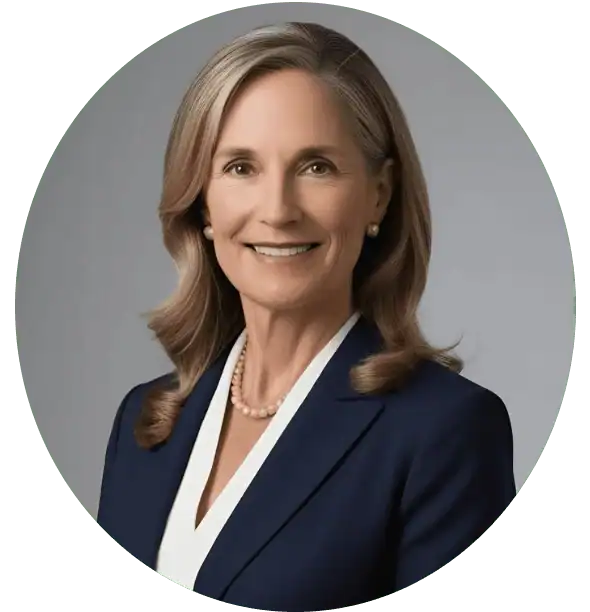
Welcome, I’m genuinely glad you’re here. I’m Elana Cruz, and we’ve spent years helping adults navigate the complex intersection of personal beliefs and health decisions. What we’ve learned from our experience is that, with the correct information and approach, most adults over 40 can develop more empowering health beliefs that support their well-being. Health beliefs in older adults, shaped by spirituality, culture, education, and personal experiences, are key drivers of their health behaviors, resilience, and wellness. In this comprehensive guide, I’ll walk you through everything you need to know about health beliefs in older adults, from understanding how these beliefs form to implementing strategies that honor individual perspectives while promoting optimal health. This isn’t always easy, and that’s completely normal. Navigating the intersection of personal beliefs and medical advice requires patience, understanding, and often, a willingness to bridge different worldviews.

Elana Cruz
Health Beliefs Guide
Elana Cruz represents the voice of Thrive’s editorial team, combining our collective expertise to help adults over 40 navigate health beliefs with confidence and compassion. Their approach focuses on making complex health information accessible and actionable. To learn more about our editorial team and publishing standards, visit our Meet the Editorial Team page.
Quick Navigation
Research on Belief Systems and Health
Cultural Integration Strategies
Building Belief-Aware Health Plans
Overcoming Belief Conflicts
Professional Guidance Options
Real-Life Transformations
Common Questions
How Health Beliefs in Older Adults Shape Wellness Outcomes
Health beliefs in older adults form through decades of accumulated experiences, cultural teachings, and personal health encounters. These deeply rooted perspectives determine whether someone views aging as a natural decline or an opportunity for continued growth. When we understand that health beliefs in older adults encompass everything from dietary preferences rooted in cultural tradition to attitudes about medication shaped by past experiences, we can begin to appreciate why one-size-fits-all health advice often falls short.
The formation of health beliefs in older adults typically involves four key influences. First, cultural background provides the foundational framework whether someone grew up believing in traditional remedies, Western medicine, or a combination of approaches. Second, personal health experiences, including past illnesses, interactions with healthcare providers, and witnessed outcomes in family members, powerfully shape current beliefs. Third, spiritual or religious perspectives often guide decisions about medical interventions, end-of-life care, and the meaning of suffering or healing. Finally, educational background and health literacy levels influence how adults over 45 interpret health information and make decisions.
Understanding these health beliefs in older adults is crucial, as they directly impact health behaviors among adults over 45. Someone who strongly believes in personal control over health outcomes may be more likely to engage in preventive behaviors. In contrast, those who attribute health to fate or divine will might prioritize different approaches. These perceptions of aging and health don’t just influence major medical decisions—they also shape daily choices about diet, exercise, social engagement, and whether to seek help when symptoms arise.
□ Identify which beliefs help and which hinder your wellness
□ Share your health beliefs with your primary care provider
□ Choose one limiting belief to gently challenge today
Do Your Health Beliefs Support Healthy Aging?
Your beliefs about aging and health profoundly influence the choices you make every day—from preventive screenings to lifestyle habits. Research shows that older adults with positive health beliefs are more likely to engage in preventive care, maintain active lifestyles, and experience better health outcomes. Take our assessment to discover whether your health beliefs are empowering you to age well or holding you back from optimal wellness.
Assess Your Health Beliefs NowFind out if: Your beliefs encourage preventive health behaviors • You hold age-positive attitudes about wellness • Your mindset supports active aging • Health beliefs align with evidence-based practices
⚠️ This assessment is for educational purposes only. Please consult with your healthcare provider before making any changes to your health routine.
Research-Backed Understanding of Health Beliefs in Aging Populations
Recent studies reveal fascinating insights about how health beliefs in older adults directly impact health outcomes. Research from major universities shows that adults with positive aging and health perceptions experience 23% better physical function and 31% lower rates of depression compared to those with negative age stereotypes. This isn’t just about positive thinking—it’s about how our beliefs literally shape our biology through stress responses, health behaviors, and social engagement patterns.
Source: Northwestern Mutual & Market.us Studies, 2022-2025
The relationship between health beliefs in older adults and actual health behaviors reveals critical patterns. Adults who believe aging inevitably means decline are 40% less likely to engage in preventive health behaviors in adults over 45, creating a self-fulfilling prophecy. Conversely, those who view aging as a continued opportunity for growth show significantly higher rates of physical activity, social engagement, and preventive care utilization. Understanding these connections helps healthcare providers and families support more effective interventions that align with individual belief systems.
Cultural Integration Strategies for Health Beliefs in Midlife Adults
Integrating diverse cultural perspectives into health planning requires sensitivity and practical strategies. We’ve learned that successful integration of health beliefs in older adults starts with acknowledging that different cultural backgrounds bring valuable wisdom about health and healing. For instance, many Asian cultures emphasize balance and prevention through diet, while some Hispanic communities prioritize family involvement in health decisions. These aren’t barriers to good health—they’re resources that can enhance wellness when properly integrated.
Creating culturally responsive health plans begins with open dialogue about health beliefs in older adults. Start conversations with questions like “What does good health mean to you?” or “What healing traditions did your family practice?” This approach reveals underlying beliefs that influence health behaviors in adults over 45. Document these beliefs alongside medical information to create a more complete picture of what drives health decisions. When healthcare providers understand that a patient views illness through a spiritual lens or prefers natural remedies as first-line treatments, they can work within these frameworks rather than against them.
Practical integration strategies include finding bridges between traditional beliefs and modern medicine. If someone believes strongly in herbal remedies, research which ones have scientific support and how they might complement conventional treatments. For those whose perceptions of aging and health are influenced by religious beliefs, involve spiritual advisors in care planning when appropriate. Create health plans that honor dietary restrictions, incorporate meaningful rituals, and respect different concepts of family involvement in health decisions. This respectful integration often leads to better adherence and outcomes than trying to override existing beliefs.
Building Your Belief-Aware Health Action Plan for Adults Over 45
Developing a personalized action plan that honors your health beliefs in older adults while promoting optimal wellness requires structured steps. Begin by conducting a personal belief inventory—write down your core beliefs about health, aging, illness, and healing. Include beliefs inherited from family, shaped by individual experiences, or influenced by cultural and spiritual traditions. This foundation helps identify which beliefs support your health goals and which might need gentle examination.
Next, categorize your health beliefs in older adults into three groups: empowering beliefs that motivate positive action, neutral beliefs that neither help nor hinder, and limiting beliefs that might prevent optimal health behaviors. For each limiting belief, explore its origin and consider whether it still serves you. Sometimes beliefs formed in response to past experiences no longer apply to current circumstances. Work on gently reframing one limiting belief at a time, using evidence and personal experiences to support new, more empowering perspectives about aging and health perceptions.
□ Schedule provider meeting to discuss beliefs
□ Identify one belief to reframe in next 2 weeks
□ Create accountability system with trusted friend
Overcoming Common Belief Conflicts in Health Management
Navigating conflicts between older adults’ personal health beliefs and medical recommendations poses real challenges. We’ve found that the most common conflict occurs when traditional family health practices clash with modern medical advice. For example, when a healthcare provider recommends surgery but cultural beliefs favor natural healing first, the internal conflict can create significant stress. Rather than viewing this as an either-or situation, explore how both approaches might work together—perhaps starting with conservative treatments, with clear timelines and markers for when to consider other options.
Another significant challenge involves reconciling spiritual or religious beliefs with medical interventions. Some adults over 45 struggle when their faith community views specific treatments differently from their healthcare team. In these situations, involving trusted spiritual advisors who can bridge both perspectives often helps. Many religious leaders today understand the importance of combining faith with appropriate medical care, assisting individuals to find peace with decisions that honor both their spiritual beliefs and their physical health needs. When health beliefs in older adults include strong spiritual components, integrating prayer, meditation, or other spiritual practices alongside medical treatment often improves both adherence and outcomes.
Family dynamics also create belief conflicts, especially when adult children and aging parents hold different views about health behaviors in adults over 45. These intergenerational differences require patience and respect from all parties. Focus on shared values; everyone wants the best health outcomes, and work from that common ground to find compromises that respect individual autonomy while addressing legitimate health concerns.
Professional Support for Navigating Health Beliefs and Medical Care
Finding healthcare providers who respect and work with diverse health beliefs in older adults makes an enormous difference in care outcomes. Look for providers who ask about your health beliefs during initial visits, show curiosity rather than judgment about different healing traditions, and demonstrate willingness to integrate various approaches. Many medical centers now employ patient navigators or cultural liaisons who specialize in bridging diverse health beliefs with medical care.
Consider working with integrative medicine practitioners who have specialized training in integrating conventional medicine with evidence-based complementary approaches. These professionals understand how to honor older adults’ health beliefs while ensuring safety and efficacy. They can help identify which traditional practices have scientific support and how to combine different healing modalities safely. Geriatric care managers also provide valuable support, especially when family members struggle to navigate competing beliefs about appropriate care for aging and health perceptions.
Real Stories: Transforming Health Through Belief Integration
Susan, 47, struggled for years with conflicting health beliefs in older adults inherited from her traditional Korean upbringing and Western medical recommendations for managing her diabetes. By working with a culturally aware endocrinologist, she integrated traditional Korean dietary principles with modern glucose monitoring. Her A1C dropped from 8.2 to 6.5 while maintaining practices meaningful to her cultural identity. “I no longer feel like I’m betraying my heritage to manage my health,” she shares.
David, 48, faced a different challenge when diagnosed with heart disease. His strong belief in natural healing initially led him to reject medication. Through conversations with an integrative cardiologist, he developed a plan combining evidence-based supplements, dietary changes rooted in his Mediterranean heritage, and minimal medication. His health behaviors in adults over 45 now include daily walks honoring his grandfather’s tradition, along with modern fitness tracking. Six months later, his cardiac markers improved significantly, and he feels empowered rather than defeated by his diagnosis.
Jennifer, 46, discovered her limiting beliefs about “inevitable decline after 45” were sabotaging her health efforts. Working with a health coach who understood aging and health perceptions, she gradually shifted her mindset. She replaced “I’m too old to start exercising” with “I’m investing in my future independence.” This belief transformation led to consistent activity, improved energy, and a 20-pound weight loss that has been maintained for two years.
Frequently Asked Questions About Health Beliefs in Older Adults
Q: How do health beliefs in older adults affect medication adherence?
A: Health beliefs significantly impact whether adults take medications as prescribed. Those who believe in natural healing may skip doses, while those trusting medical authority might over-rely on pills. The key is finding balance through open communication with providers.
Q: Can changing health beliefs in older adults really improve physical health?
A: Yes, research shows that shifting from negative to positive aging beliefs correlates with better physical function, increased activity levels, and improved biomarkers. Belief change often precedes behavior change.
Q: What if my health beliefs conflict with my doctor’s recommendations?
A: Express your beliefs openly to find common ground. Many effective treatment plans integrate both perspectives. If conflicts persist, consider seeking providers experienced in integrative or culturally competent care.
Q: How do cultural health beliefs in older adults impact family caregiving?
A: Cultural beliefs shape expectations about family roles, decision-making, and acceptable interventions. Understanding these beliefs helps families navigate caregiving challenges while respecting everyone’s perspectives.
Q: Are traditional health beliefs in older adults always beneficial?
A: Not all traditional beliefs promote optimal health—some may delay necessary treatment or promote harmful practices. The goal is thoughtful integration, keeping beneficial practices while adapting those that might cause harm.
Q: How can I identify limiting health beliefs in older adults?
A: Look for thoughts starting with “At my age, I can’t…” or “It’s too late to…” These often signal limiting beliefs. Also, notice if you avoid certain health behaviors based on age-related assumptions rather than actual limitations.
Q: Do health beliefs in older adults change with new diagnoses?
A: Major health events often trigger belief reassessment. Some adults become more open to different approaches, while others might entrench in familiar beliefs for comfort. Support during these transitions is crucial.
Q: How do I discuss health beliefs in older adults with my healthcare provider?
A: Start by sharing what health means to you, your family’s health traditions, and any concerns about recommended treatments. Ask how proposed treatments align with your values and explore modifications if needed.
References: Research on Health Beliefs in Older Adults
1. Okan, O. et al. (2024). Further Decline in Health Literacy in Germany: A National Survey and Ten-Point Plan for Improvement. Technical University of Munich & WHO Collaborating Centre for Health Literacy. https://www.tum.de/en/news-and-events/all-news/press-releases/details/further-decline-in-health-literacy-in-germany
2. Watson, K.B., et al. (2025). Trends in Multiple Chronic Conditions Among US Adults Across the Life Course. CDC’s Preventing Chronic Disease. https://www.cdc.gov/pcd/issues/2025/24_0539.htm
3. Muellmann, S., et al. (2025). Digital Health Literacy in Adults with Low Reading and Writing Skills: Barriers and Needs in a Digitalized Health System. Journal of Medical Internet Research, 27(1), e65345. https://humanfactors.jmir.org/2025/1/e65345/PDF
4. Hou, G., et al. (2025). Health Literacy and Chronic Disease Prevalence: Age-Group Specific Associations Among Middle-Aged and Older Adults. Frontiers in Public Health. https://www.frontiersin.org/journals/public-health/articles/10.3389/fpubh.2025.1602658/full
5. Gonçalves-Fernández, M.L., et al. (2025). Health Literacy in Healthy Adults: A Systematic Review of Prevalence and Influential Factors. Atención Primaria. https://www.elsevier.es/es-revista-atencion-primaria-27-articulo-health-literacy-in-healthy-adults-S0212656725000861