

As we age, our minds become just as important as our bodies in determining how long and how well we live. Recent research from Stanford University reveals that emotional well-being actually improves with age, with older adults showing greater emotional balance and prosocial behavior than younger adults. This isn’t just about feeling good; it’s about living longer. The connection between psychological factors and longevity has become one of the most exciting areas of aging research, offering practical strategies that adults over 40 can implement today.
Introduction: Understanding the Mind-Longevity Connection
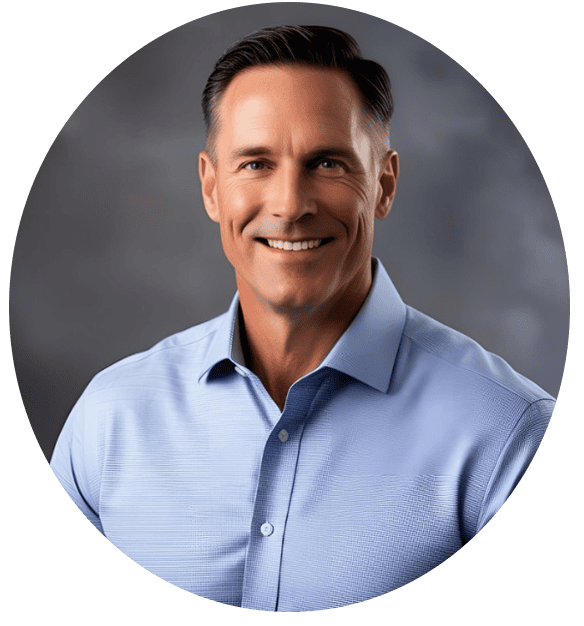
Welcome, I’m genuinely glad you’re here. I’m James Foster, and we’ve spent years helping adults navigate longevity challenges. What we’ve learned from our experience is that, with the correct information and approach, most adults over 40 can make meaningful improvements in their psychological well-being and longevity. In this comprehensive guide, I’ll walk you through everything you need to know about psychological factors and longevity, from understanding the fundamental challenges to implementing research-backed solutions that work for real people living real lives. This isn’t always easy, and that’s completely normal.

James Foster
Longevity Guide
James Foster represents the voice of Thrive’s editorial team, combining our collective expertise to help adults over 40 navigate longevity with confidence and compassion. Their approach focuses on making complex health information accessible and actionable. To learn more about our editorial team and publishing standards, visit our Meet the Editorial Team page.
Quick Navigation
Research-Backed Psychological Approaches for Longevity
Building Social Connections for Healthy Aging
Developing Mental Resilience After 40
Overcoming Common Psychological Barriers
When to Seek Professional Mental Health Support
Real Success Stories: Mind Over Aging
Frequently Asked Questions About Psychological Factors and Longevity
The Psychological Foundations of Longevity
Psychological factors such as strong relationships, optimism, positive self-perceptions of aging, and mental engagement are consistently linked to longer, healthier lives. Research shows these traits help buffer stress, improve health behaviors, and increase both lifespan and quality of life, especially as we age. Understanding these psychological factors and their connections to longevity empowers adults over 40 to make targeted improvements in their mental and emotional well-being.
The science behind psychological factors and longevity reveals fascinating mechanisms. When we maintain strong social relationships and healthy aging patterns, our bodies respond with lower inflammation, better immune function, and reduced stress hormone levels. Mental health and aging are intricately connected. Positive psychological states trigger beneficial physiological changes that protect against age-related decline.
What makes psychological factors and longevity particularly powerful is their accessibility. Unlike genetic factors we can’t control, we can actively cultivate better mental health and aging outcomes through deliberate choices. Whether it’s nurturing social relationships and healthy aging practices or developing resilience skills, these interventions are available to everyone regardless of current health status or age.
The research on psychological factors and longevity consistently shows that it’s never too late to start. Adults who begin focusing on mental health and aging improvements in midlife see substantial benefits. Even those who’ve experienced challenges earlier in life can develop protective psychological factors that enhance longevity. The key is understanding which specific psychological traits matter most and how to cultivate them systematically.
□ Start a gratitude journal with 3 daily entries
□ Join a community group or club within 2 weeks
□ Practice one stress-reduction technique for 5 minutes today
How Are Your Psychological Habits Impacting Your Longevity?
Your mental and emotional well-being plays a crucial role in how long you live and how well you age. Stress management, social connections, purpose, and resilience all directly influence inflammation, immune function, and disease risk. Take our comprehensive assessment to discover how your psychological factors are supporting—or hindering—your path to a longer, healthier life.
Assess Your Psychological Health & LongevityFind out if: Chronic stress is accelerating aging • Your social connections support longevity • Mental health habits reduce disease risk • You have purpose and resilience for healthy aging
⚠️ This assessment is for educational purposes only. Please consult with your healthcare provider before making any changes to your health routine.
Research-Backed Psychological Approaches for Longevity
Scientific evidence overwhelmingly supports the role of psychological factors and longevity in extending healthspan. A groundbreaking 2024 study from BMC Geriatrics examined 5,716 oldest-old Chinese adults and found that social isolation significantly reduced the likelihood of becoming a centenarian, even after accounting for chronic diseases and lifestyle factors. This research identifies five critical components: living alone, marital status, social activities, contact with children, and sibling relationships.
Source: Harvard T.H. Chan School of Public Health, JAMA Network, 2019-2025
Recent research from Aging-US demonstrates that psychological factors substantially contribute to biological aging, with feelings of unhappiness or loneliness adding up to 1.65 years to biological age—effects exceeding those of smoking or marital status. Conversely, positive feelings like happiness, hope, and safety significantly improve life satisfaction and slow the aging process, highlighting the biochemical connection between mental health and aging.
Building Social Connections for Healthy Aging
Social relationships and healthy aging form the cornerstone of psychological longevity factors. Research consistently shows that adults with strong social networks experience better physical health, cognitive function, and emotional well-being. For adults over 40, maintaining and building these connections becomes increasingly important as natural social circles may shrink due to career changes, family transitions, or geographic moves.
Creating meaningful social relationships and healthy aging outcomes requires intentional effort. Start by assessing your current social network using the “convoy model,” visualizing relationships as concentric circles, with the closest relationships at the center. Most adults need 3-5 people in their inner circle, 5-15 in their sympathy group, and 15-50 in their outer social circle. If your circles feel sparse, that’s a clear signal to invest in relationship building.
Practical strategies for enhancing social relationships and healthy aging include joining interest-based groups where natural connections form around shared activities. Community centers, fitness classes designed for midlife adults, volunteer organizations, and hobby clubs provide structured opportunities for meaningful interaction. The key is consistency; showing up regularly allows relationships to develop organically without forced networking.
Technology can support social relationships and healthy aging when used thoughtfully. Video calls with distant family, online communities focused on shared interests, and digital tools for organizing in-person gatherings all play valuable roles. However, research emphasizes that face-to-face interaction provides unique benefits for psychological factors and longevity, including synchronized brain activity and enhanced empathy that virtual connections can’t fully replicate.
Developing Mental Resilience After 40
Mental resilience is a critical psychological factor in longevity, particularly as we navigate midlife challenges. Resilience isn’t about avoiding difficulties; it’s about developing the cognitive flexibility to bounce back from setbacks while maintaining overall well-being. Research from Stanford shows that adults over 40 actually have advantages in building resilience due to accumulated life experience and improved emotional regulation.
Building mental health and aging resilience starts with reframing your relationship with stress. Not all stress is harmful—moderate challenges that you can manage actually strengthen psychological resilience. The key is developing a toolkit of coping strategies that work for your lifestyle. These might include mindfulness practices, physical exercise, creative expression, or structured problem-solving approaches. What matters is having multiple options available when challenges arise.
Cognitive flexibility plays a crucial role in mental health and aging successfully. This means practicing seeing situations from multiple perspectives, adapting your thinking when it’s not serving you, and maintaining curiosity about new experiences. Adults who regularly challenge themselves with novel activities—learning new skills, exploring unfamiliar places, or engaging with diverse perspectives—show better cognitive resilience and reduced risk of age-related decline.
Purpose and meaning become increasingly critical psychological factors and longevity enhancers after 40. Research indicates that having a strong sense of purpose correlates with reduced mortality risk, better sleep, and improved cardiovascular health. This doesn’t require grand life missions—purpose can come from caregiving roles, community contribution, creative pursuits, or mentoring others. The key is identifying what makes you feel your life has significance beyond day-to-day tasks.
□ Schedule weekly time for a meaningful activity
□ Practice one new stress-management technique for 7 days
□ Write down 3 perspective shifts when facing challenges
Overcoming Common Psychological Barriers to Longevity
Many adults face psychological barriers that prevent them from implementing longevity-enhancing practices. Recognizing and addressing these obstacles is crucial for developing sustainable psychological factors and longevity habits. The most common barrier is the “too late to change” mindset—a false belief that contradicts research showing neuroplasticity and behavioral change capacity remain strong throughout life.
Social anxiety or introversion can create challenges for building social relationships and healthy aging connections. If large groups feel overwhelming, focus on one-on-one connections or small group activities. Online communities can serve as stepping stones to in-person interaction. Remember that quality matters more than quantity. A few deep friendships provide more longevity benefits than numerous superficial connections.
Time constraints represent another significant barrier to developing psychological factors and longevity practices. The solution lies in habit stacking—attaching new psychological wellness activities to existing routines. Practice gratitude while brewing morning coffee, engage in mindful breathing during your commute, or combine social connection with necessary activities like walking or shopping. Small, consistent actions compound over time.
When negative thought patterns interfere with mental health and aging well, cognitive restructuring techniques help. Challenge catastrophic thinking by examining evidence, considering alternative explanations for events, and practicing self-compassion when facing setbacks. If persistent negative thoughts significantly impact daily life, this signals it’s time to seek professional support rather than struggling alone.
When to Seek Professional Mental Health Support for Longevity
Understanding when to seek professional support for psychological factors and longevity represents wisdom, not weakness. Mental health professionals can provide specialized tools to build resilience, manage life transitions, and optimize psychological well-being for healthier aging. Key indicators include persistent sadness lasting over two weeks, anxiety interfering with daily activities, significant relationship difficulties, or feeling stuck in negative patterns despite self-help efforts.
Different professionals offer varying expertise in mental health and aging. Psychologists provide therapy and behavioral interventions, psychiatrists can prescribe medications if needed, and specialized geriatric counselors understand unique midlife and aging challenges. Many professionals now offer telehealth options, removing geographic and mobility barriers to accessing care.
Preparing for professional support maximizes its effectiveness. Before your first appointment, document specific concerns, note how long symptoms have persisted, and identify your treatment goals. Be honest about lifestyle factors that affect psychological well-being and longevity, including sleep patterns, social connections, and stress levels. This information helps professionals tailor interventions to your specific needs and circumstances.
Real Success Stories: Mind Over Aging
Susan, 47, a consultant facing burnout, transformed her approach to psychological factors and longevity after attending a mindfulness workshop. “I realized my constant stress was aging me rapidly,” she shares. By implementing daily meditation, joining a hiking group for social relationships and healthy aging, and setting firm work boundaries, she reports feeling “10 years younger” with improved energy and outlook. Her biological age markers showed measurable improvement after six months of consistent practice.
David, 48, an engineer who struggled with social isolation after divorce, discovered that rebuilding connections was crucial for mental health and aging well. He joined a community woodworking class, started hosting monthly game nights, and volunteered with a mentorship program. “Creating new friendships in midlife felt awkward at first,” he admits, “but now my social calendar is fuller and more meaningful than ever. My doctor says my health markers have improved across the board.”
Jennifer, 46, an accountant with anxiety, learned that psychological factors and longevity were interconnected when chronic worry began affecting her physical health. Through therapy, she developed coping strategies, started practicing yoga for mind-body connection, and joined an online support group for career professionals managing anxiety. “Understanding that my mental state directly impacts my aging process motivated me to prioritize psychological wellness. The changes have been life-changing—better sleep, reduced inflammation, and genuine optimism about the future.”
Frequently Asked Questions About Psychological Factors and Longevity
How do psychological factors and longevity connect at the biological level?
Psychological states directly influence biological aging through multiple pathways, including stress hormones, inflammation markers, and immune function. Positive psychological factors enhance cellular repair mechanisms and may even affect telomere length, which protects chromosomes from deterioration.
What role do social relationships and healthy aging play in longevity?
Strong social connections reduce mortality risk by 24% according to research. Social relationships provide emotional support, encourage healthy behaviors, and create accountability for maintaining wellness practices. Quality matters more than quantity—focus on meaningful connections.
Can improving mental health and aging outcomes start after 40?
Absolutely. Research shows that psychological interventions remain effective throughout life. Adults who begin mental wellness practices in midlife often see rapid improvements because they have more life experience and emotional maturity to draw upon.
Which psychological factors and longevity practices show the most substantial evidence?
Purpose in life, optimism, social connection, stress management, and cognitive engagement show the strongest correlations with extended healthspan. Combining multiple factors creates synergistic effects that exceed those of individual practices alone.
How long before psychological factors and longevity improvements become noticeable?
Many people report subjective improvements in mood and energy within 2-4 weeks. Objective health markers typically show changes within 3-6 months of consistent practice. Long-term mortality benefits accumulate over years of sustained psychological wellness habits.
Do social relationships and healthy aging require extroversion?
No. Introverts can build equally beneficial social connections through smaller, deeper relationships. Quality trumps quantity—even introverts need some social connection, but their optimal amount and style may differ from extroverts.
What’s the relationship between mental health and aging successfully?
Good mental health provides the foundation for healthy aging behaviors, medical adherence, and social engagement. It also directly impacts physical health through psychoneuroimmunological pathways. Psychological and physical health are inseparable in the aging process.
Can psychological factors and longevity practices prevent cognitive decline?
While no intervention guarantees prevention, strong evidence shows that social engagement, mental stimulation, stress management, and purpose in life significantly reduce cognitive decline risk and may delay dementia onset.
References
Research Supporting Psychological Factors and Longevity:
Carstensen, L. L. (2025). ‘Longevity is going to change almost all aspects of our lives.’ Stanford News. https://news.stanford.edu/stories/2025/08/research-matters-laura-carstensen
Fang, E. F., et al. (2023). Psychological factors substantially contribute to biological aging. Aging-US. https://www.aging-us.com/article/204264/text
Luo, Y., Waite, L. J., & Cacchione, P. Z. (2024). Social isolation and the likelihood of becoming centenarians. BMC Geriatrics, 24, 839. https://pmc.ncbi.nlm.nih.gov/articles/PMC11476547/
National Institute on Aging. (2024). Aging, longevity, and healthy aging: the public health approach. National Center for Biotechnology Information/PubMed Central. https://pmc.ncbi.nlm.nih.gov/articles/PMC12006278/
U.S. Centers for Disease Control and Prevention. (2025). Trends in Multiple Chronic Conditions Among US Adults. Preventing Chronic Disease, 24(0539). https://www.cdc.gov/pcd/issues/2025/24_0539.htm