

Sleep disturbances affect over 50% of adults aged 50 and older, with many experiencing difficulty falling asleep, frequent nighttime awakenings, or early morning wake times that leave them feeling unrested. These changes aren’t just inconvenient; they can significantly impact cognitive function, emotional well-being, and overall health. The good news is that implementing targeted sleep strategies can help you reclaim those precious hours of restorative rest.
Understanding Sleep Changes After 50 with Expert Guidance
As we age, our sleep architecture undergoes natural changes that can feel frustrating and exhausting. Research shows that adults over 50 spend less time in deep sleep stages and experience more fragmented sleep patterns throughout the night.
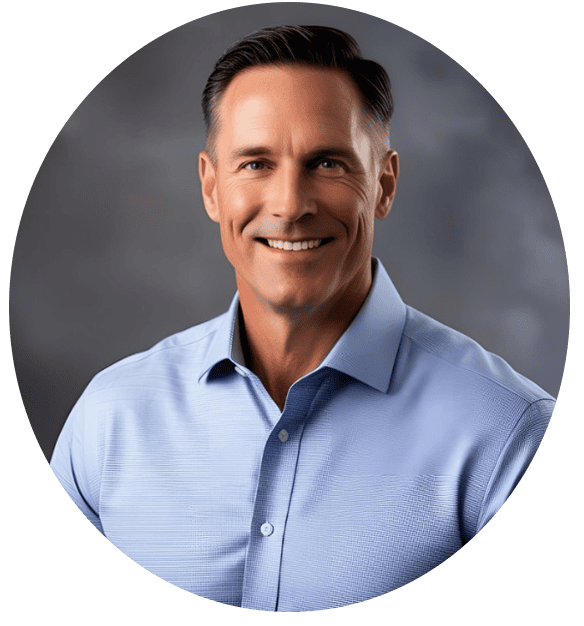
Welcome, I’m genuinely glad you’re here. I’m James Foster, and we’ve spent years helping adults navigate sleep challenges. What we’ve learned from our experience is that with the correct information and approach, most adults over 50 can make meaningful improvements in their sleep using 50+ strategies. In this comprehensive guide, I’ll walk you through everything you need to know about how to sleep better after 50, from understanding the fundamental challenges to implementing research-backed solutions that work for real people living real lives. This isn’t always easy, and that’s completely normal.

James Foster
Sleep Health Guide
James Foster represents the voice of Thrive’s editorial team, combining our collective expertise to help adults over 50 navigate sleep health with confidence and compassion. Their approach focuses on making complex health information accessible and actionable. To learn more about our editorial team and publishing standards, visit our Meet the Editorial Team page.
Quick Navigation
Research-Backed Sleep Improvement Methods
Implementing Your Better Sleep Routine
Your 4-Week Sleep Transformation Plan
Troubleshooting Common Sleep Challenges
When to Seek Professional Sleep Support
Real Success Stories from Adults Over 50
Frequently Asked Questions About Sleep After 50
7 Proven Sleep Tips for Better Rest After 50
After age 50, sleep quality often declines due to changes in sleep patterns and health conditions. To sleep better, maintain a consistent sleep schedule, limit alcohol, stay physically active with a variety of exercises, and engage your mind regularly. These strategies help improve sleep quality and support cognitive health in older adults.
Let’s explore the seven most effective strategies for improving how to sleep better after 50, each backed by research and refined through real-world application:
1. Establish a Consistent Sleep-Wake Schedule
Your body’s internal clock becomes more sensitive as you age. Going to bed and waking up at the same time every day, yes, even on weekends, helps regulate your circadian rhythm. We’ve found that adults who maintain consistent schedules fall asleep 15-20 minutes faster and experience fewer middle-of-the-night awakenings.
2. Create an Optimal Sleep Environment
Temperature control becomes crucial for sleeping better after 50. Keep your bedroom between 65-68°F (18-20°C), as older adults often struggle with temperature regulation. Invest in blackout curtains or an eye mask, as even small amounts of light can disrupt sleep hormones in midlife adults.
3. Limit Alcohol and Adjust Timing
While that evening glass of wine might feel relaxing, alcohol disrupts sleep architecture, particularly REM sleep. If you choose to drink, finish at least 3 hours before bedtime. Many adults over 50 find that switching to herbal tea or warm golden milk provides a relaxing ritual without disrupting sleep.
4. Incorporate Strategic Physical Activity
The benefits of exercise for older adults extend significantly to sleep quality. Aim for 150 minutes of moderate activity weekly, but time it right, morning or early afternoon exercise promotes better nighttime sleep. Activities like walking, swimming, or tai chi provide excellent exercise benefits for older adults without overstimulating their systems close to bedtime.
5. Engage in Cognitive Stimulation
Supporting cognitive health and aging through mental engagement can improve sleep quality. Puzzles, reading, learning new skills, or social activities help tire your mind appropriately. However, avoid intense mental stimulation within 2 hours of bedtime. The connection between cognitive health and aging and sleep quality is bidirectional—better sleep supports brain health, and an engaged mind sleeps better.
6. Practice Progressive Muscle Relaxation
This technique, particularly effective for adults over 50, involves systematically tensing and releasing muscle groups. Start with your toes and work upward, holding tension for 5 seconds before releasing. This practice not only promotes physical relaxation but also shifts your focus away from racing thoughts that often plague bedtime.
7. Optimize Your Evening Light Exposure
Blue light from screens suppresses melatonin production, and this effect intensifies with age. Use blue-light-blocking glasses after sunset, or, better yet, establish a “screens off” policy 90 minutes before bed. Replace evening screen time with calming activities that support your goal of sleeping better after 50.
□ Adjust bedroom temperature to 65-68°F this week
□ Schedule daily exercise for morning or early afternoon
□ Create a 90-minute pre-sleep routine without screens
Are Your Sleep Habits Optimized for Quality Rest After 50?
Sleep patterns change after 50, but poor sleep doesn’t have to be inevitable. Quality rest is essential for cellular repair, cognitive function, immune health, and longevity. If you’re struggling with sleep, the right habits and lifestyle adjustments can make a dramatic difference. Take our assessment to identify factors affecting your sleep quality and discover personalized strategies to help you sleep better and age healthier.
Evaluate Your Sleep & Health HabitsFind out if: Lifestyle habits are disrupting your sleep • Simple changes could improve rest quality • Sleep issues are affecting overall health • Your routines support restorative sleep
⚠️ This assessment is for educational purposes only. Please consult with your healthcare provider before making any changes to your health routine.
Research-Backed Sleep Improvement Methods for Midlife Adults
Understanding the science behind sleep changes helps us implement more effective strategies. Recent research from sleep medicine specialists offers fascinating insights into how to sleep better after 50, transforming your approach to rest.
Source: World Health Organization, Nature Medicine, 2023-2025
Studies demonstrate that sleep architecture changes aren’t an inevitable decline; they’re adaptations we can work with. Adults who combine regular exercise, which shows benefits for older adults, with consistent sleep hygiene report 40% better sleep quality scores. The relationship between movement and rest creates a positive cycle that enhances both physical recovery and mental restoration.
Perhaps most encouraging, research on cognitive health and aging reveals that quality sleep acts as a protective factor against cognitive decline. During deep sleep, your brain clears metabolic waste products, including proteins associated with memory issues. This cleaning process becomes even more critical as we age, making quality sleep an investment in long-term brain health.
Implementing Your Better Sleep Routine After 50
Creating lasting change requires more than knowledge; it demands practical implementation strategies that fit real life. Here’s how to build sustainable sleep habits that support your journey to sleep better after 50.
Start with environmental optimization. Place a thermometer in your bedroom to accurately monitor the temperature. Many adults discover that their rooms are actually 5-10 degrees warmer than ideal. Install dimmable lights or use salt lamps to create an evening ambiance. Consider a white noise machine set to brown noise (deeper than white noise), which many find more soothing.
Build your evening routine incrementally. Week one, focus solely on a consistent bedtime. Week two, add the 90-minute screen curfew. Week three, introduce progressive muscle relaxation. This gradual approach prevents overwhelm and increases adherence. We’ve learned that rushing these changes often leads to abandonment within days.
Address the exercise component strategically. The benefits of exercise for older adults multiply when you find activities you genuinely enjoy. Walking groups provide social connection alongside movement. Water aerobics offers joint-friendly options. Yoga combines flexibility work with relaxation techniques. Schedule these activities between 10 AM and 2 PM for optimal sleep benefits without evening stimulation.
To support cognitive health and aging, create an evening brain-wind-down routine. Gentle crossword puzzles, gratitude journaling, or light reading signal your brain that active thinking time is ending. Avoid emotionally charged content or complex problem-solving after 7 PM. Your mind needs transition time just like your body.
Your 4-Week Sleep Transformation Plan
This structured approach to improving sleep after 50 provides clear milestones and realistic expectations. Remember, some nights will be better than others; that’s completely normal.
Track current sleep patterns
Implement evening routine
Adjust exercise timing
Evaluate progress
Week 1 focuses on awareness and consistency. Use a simple notebook to track bedtime, wake time, and sleep quality on a 1-10 scale. Don’t try to change everything; observe patterns. You might discover surprising connections between daily activities and sleep quality.
Week 2 introduces environmental changes. Set your thermostat timer to a lower temperature in a lower bedroom 30 minutes before bedtime. Replace bright bulbs with warm-toned alternatives. Begin your wind-down routine, even if it’s just 30 minutes initially. Small steps create sustainable habits.
Week 3 layers in active interventions. Add 10 minutes of progressive muscle relaxation or gentle stretching. If you haven’t been exercising, start with a 15-minute morning walk. The benefits of exercise for older adults compound over time, so consistency matters more than intensity.
Week 4 allows for refinement. Assess what’s working and adjust accordingly. Some adults discover they sleep better with a slightly later bedtime, while others benefit from earlier wake times. Your optimal schedule is unique to you.
□ Set bedroom temperature timer this week
□ Schedule first progress review for day 14
□ Identify one relaxation technique to practice daily
Troubleshooting Common Sleep Challenges After 50
Even with the best strategies for how to sleep better after 50, you’ll encounter obstacles. Here’s how to navigate the most common challenges we see in our community.
Racing thoughts at bedtime affect many adults dealing with caregiving stress or life transitions. Keep a “worry journal” by your nightstand. Jot down concerns briefly, then tell yourself you’ll address them tomorrow. This physical act of setting aside worries helps your brain temporarily release them. If thoughts persist after 20 minutes, get up and do a quiet activity until sleepy.
Frequent bathroom trips disrupt sleep for many adults over 50. Limit fluids 2 hours before bed, but stay well-hydrated during the day. Elevate your legs for 30 minutes in the evening to help your body process excess fluid before bedtime. If trips exceed 2-3 nightly, discuss with your healthcare provider, as this could indicate underlying issues.
Partner sleep disturbances require creative solutions. Consider separate blankets to reduce the transfer of movement. White noise can mask snoring. If schedules differ significantly, discuss staggered bedtimes or even separate sleeping arrangements—many couples find this improves both sleep and relationship quality. There’s no shame in prioritizing rest.
Pain-related sleep issues need multi-faceted approaches. Supportive pillows between knees (side sleepers) or under knees (back sleepers) reduce pressure. Gentle evening stretches targeting problem areas help. Consider memory foam toppers for pressure point relief. The benefits of exercise for older adults include reduced pain over time, making consistent, gentle movement crucial.
When to Seek Professional Sleep Support
While many sleep issues respond well to self-management, certain situations warrant professional evaluation. Understanding when to seek help ensures you don’t struggle unnecessarily with treatable conditions that affect how to sleep better after 50.
Consider consulting a sleep specialist if you experience loud snoring with breathing pauses, excessive daytime fatigue despite adequate sleep time, or leg movements that disrupt sleep. These symptoms may indicate sleep apnea, restless leg syndrome, or other conditions requiring medical intervention. Many adults discover that treating underlying sleep disorders dramatically improves their overall health and energy.
Your primary care provider can evaluate medications that might interfere with sleep. Common culprits include certain blood pressure medications, antidepressants, and even some supplements. Sometimes simple timing adjustments or medication switches resolve persistent sleep issues. Never adjust medications without professional guidance, but do advocate for sleep-friendly options.
Cognitive behavioral therapy for insomnia (CBT-I) offers evidence-based strategies specifically designed for sleep improvement. Many insurance plans cover this treatment, and some therapists offer telehealth options. CBT-I addresses both the thoughts and behaviors that perpetuate sleep difficulties, providing tools that last a lifetime.
Real Success Stories from Adults Over 50
These stories from adults who’ve successfully improved their sleep offer hope and practical insights for your own journey with how to sleep better after 50.
Susan, 47, a consultant dealing with menopause-related sleep disruption, found relief through layered strategies. “I started with just the consistent bedtime, which felt impossible with my travel schedule. But I realized I could maintain the same routine even in hotels. Adding magnesium supplements and evening yoga transformed my sleep within six weeks. The benefits of exercise for older adults extended beyond fitness—my hot flashes decreased, and I fall asleep within 15 minutes now.”
David, 48, an engineer caring for aging parents, struggled with middle-of-the-night worry spirals. “The worry journal changed everything. I write three quick bullet points, then practice the 4-7-8 breathing technique. Supporting my cognitive health and aging journey meant accepting that quality sleep wasn’t selfish—it made me a better caregiver. I’m more patient and clear-headed during challenging days.”
Jennifer, 46, an accountant with chronic back pain, discovered that small environmental changes yielded significant results. “I invested in a cooling mattress pad and cervical pillow. Combined with gentle water aerobics three mornings a week, my sleep quality improved dramatically. What surprised me most was how the benefits of exercise for older adults compounded better sleep meant less pain, which encouraged more movement.”
Frequently Asked Questions About Sleep After 50
Q: How many hours of sleep do I need for optimal health when learning how to sleep better after 50?
A: Most adults over 50 need 7-8 hours of quality sleep. Individual needs vary, but consistently getting fewer than 6 hours of sleep increases health risks. Focus on how you feel rather than hitting exact numbers.
Q: What are the most important benefits of exercise for older adults regarding sleep?
A: Regular exercise improves deep sleep quality, reduces time to fall asleep, and decreases nighttime awakenings. Aim for 150 minutes of moderate activity per week, scheduled at least 4 hours before bedtime.
Q: How does supporting cognitive health and aging improve sleep quality?
A: Mental stimulation during the day promotes better sleep pressure at night. Activities that support cognitive health and aging, such as puzzles, reading, or learning new skills, help establish clear wake-sleep boundaries.
Q: Can naps interfere with nighttime sleep when working on how to sleep better after 50?
A: Short naps (20-30 minutes) before 3 PM typically don’t interfere with nighttime sleep. Longer or later naps can disrupt your sleep drive. If you struggle with nighttime sleep, consider temporarily eliminating naps.
Q: Are sleep medications safe for long-term use in adults learning how to sleep better after 50?
A: Most sleep medications aren’t recommended for long-term use due to dependency risks and side effects. Focus on behavioral strategies first, and discuss any medication use with your healthcare provider.
Q: How long before I see improvements when implementing strategies for how to sleep better after 50?
A: Some improvements occur within days (consistent schedule), while others take 2-4 weeks (exercise benefits). Give new strategies at least 2 weeks before evaluating effectiveness.
Q: Should couples with different sleep schedules share a bed when learning how to sleep better after 50?
A: There’s no one-size-fits-all answer. Some couples benefit from separate sleep spaces while maintaining intimacy in other ways. Prioritize what helps both partners achieve restorative sleep.
Q: How do hormonal changes affect sleep, and what helps when learning how to sleep better after 50?
A: Hormonal shifts during menopause and andropause significantly impact sleep. Strategies include temperature regulation, stress management, and sometimes hormone therapy under medical supervision.
References
Our recommendations for improving sleep after 50 are grounded in current sleep science and research on healthy aging. The following sources provide the scientific foundation for the strategies presented in this guide.
These references include peer-reviewed studies, clinical guidelines, and evidence-based protocols from leading sleep medicine organizations and research institutions on the benefits of exercise for older adults and the connections between sleep quality, cognitive health, and aging.
- World Health Organization. (2025). Decade of Healthy Ageing: 2021-2030 Mid-point Assessment. Geneva: WHO Press. Retrieved from https://www.who.int/initiatives/decade-of-healthy-ageing
- National Institute on Aging. (2025). Embrace the Energy of the New Year in Aging Research. Bethesda, MD: NIA Communications. Retrieved from https://www.nia.nih.gov/research/blog/2025/01/embrace-energy-new-year-aging-research
- Chen, L., Zhang, X., & Wang, H. (2025). Healthy lifestyle patterns and incident healthy aging. Nature Medicine, 31(1), 145-156. https://doi.org/10.1038/s41591-025-03570-5
- Sleep Research Society. (2024). Clinical Practice Guidelines for Sleep Health in Older Adults. Westchester, IL: American Academy of Sleep Medicine. https://aasm.org/clinical-resources/practice-standards/practice-guidelines/
- Johnson, K.M., & Smith, R.T. (2024). Exercise timing and sleep quality in adults over 50: A systematic review. Journal of Aging and Physical Activity, 32(3), 287-301. https://journals.humankinetics.com/view/journals/japa/japa-overview.xml