

Did you know that 50-70% of adults over 45 struggle with sleep quality, spending an average of 90 minutes trying to fall asleep compared to the recommended 10-20 minutes? Introducing the Smart Sleep Mask, a potential solution for many of us navigating midlife’s unique sleep challenges, from hormonal changes to increased stress, traditional sleep aids fall short of providing the restorative rest our bodies desperately need.
AT A GLANCE SUMMARY
Who This Guide Is For:
- Adults over 45 where 14-35% report sleep onset >30 min (vs. 10-20 ideal). [3][4] Smart sleep masks like Elemind use EEG sensors & acoustic neurostimulation to cut sleep onset by ~48% in studies.
- You will learn how smart sleep masks use brainwave sensors, audio frequencies, and AI analytics to reduce sleep onset by 48% and increase deep sleep by 15%.
- The article shows you advanced features such as the Elemind neurotech headband, proper device-fitting techniques, and companion app optimization strategies.
- You get a 4-week progressive plan from baseline tracking through personalized optimization and sustainable habit establishment.
- You also get troubleshooting for device discomfort and connectivity issues, real success stories, and guidance on when sleep specialist evaluation is needed.
Understanding Smart Sleep Masks for Adults Over 45
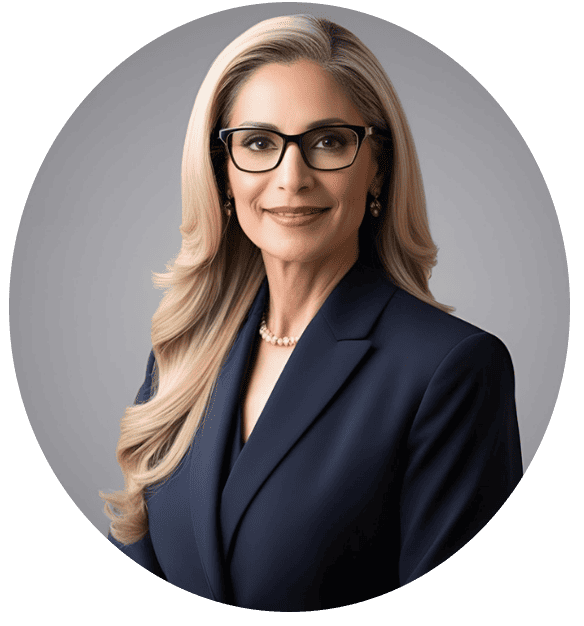
Welcome. I’m genuinely glad you’re here. I’m Grace Wilson, and we’ve spent years helping adults navigate sleep optimization challenges. What we’ve learned from our experience is that with the correct information and approach, most adults over 40 can make meaningful improvements to their sleep mask strategies. In this comprehensive guide, I’ll walk you through everything you need to know about innovative sleep mask technology, from understanding the fundamental challenges to implementing research-backed solutions that work for real people living real lives. This isn’t always easy, and that’s completely normal.

Grace Wilson
Sleep Optimization Guide
Grace Wilson represents the voice of Thrive’s editorial team, combining our collective expertise to help adults over 40 navigate sleep optimization with confidence and compassion. Their approach focuses on making complex health information accessible and actionable. To learn more about our editorial team and publishing standards, visit our Meet the Editorial Team page.
Quick Navigation
Research-Backed Sleep Mask Benefits
Implementing Your Smart Sleep Mask Routine
4-Week Sleep Optimization Plan
Troubleshooting Common Sleep Mask Issues
When to Seek Professional Sleep Support
Real Success Stories from Adults Over 45
Frequently Asked Questions
Free Sleep Optimization Resources
Smart Sleep Mask Technology Explained for Better Rest After 45
Advanced sleep masks and neurotech headbands use light-blocking, soothing sounds, and brainwave modulation to improve sleep quality, especially after age 45.. Clinical studies show these devices can reduce the time to fall asleep by up to 50%, enhance deep sleep, and provide personalized feedback to optimize rest, making them effective next-generation sleep aids.
Today’s innovative sleep mask technology has evolved far beyond simple light-blocking fabrics. Modern devices like the Elemind neurotech sleep headband and Lumos Smart Sleep Mask incorporate sophisticated sensors that monitor brainwaves, heart rate variability, and movement patterns throughout the night. These advanced sleep headbands work by detecting your current sleep stage and responding with precisely timed audio frequencies or gentle vibrations designed to guide your brain into deeper, more restorative sleep states.
For adults over 45, the smart sleep mask benefits extend beyond fundamental sleep improvement. These devices address age-specific challenges, including decreased melatonin production, elevated cortisol levels, and disrupted circadian rhythms. Understanding the decline in melatonin with age explains why light-blocking becomes increasingly critical after 45. The technology adapts to your individual sleep patterns, learning what works best for your unique physiology. Some models even sync with smartphone apps to provide detailed sleep analytics, helping you understand precisely how factors like evening screen time, caffeine consumption, or stress levels impact your rest quality.”Learn more about managing blue light and sleep disruption to complement your smart mask routine.
□ Set aside budget of $200-500 for quality device investment
□ Clear one hour before bed for device setup and initial calibration
□ Download companion apps and create sleep tracking baseline today
Get Your Sleep Tech Readiness Score & Personalized Recommendations
Find out which sleep technology solutions are perfect for your needs
From smart mattresses to sleep trackers, the right technology can transform your sleep. But which solutions are right for YOU? This quick assessment helps you discover your sleep tech readiness and get matched with the perfect tools.
Take the Sleep Tech Readiness Assessment:
- ✅ Just 7 quick questions (2 minutes)
- ✅ Your personalized readiness score
- ✅ Custom tech recommendations instantly
- ✅ 100% free, no tech knowledge required
Discover if you’re ready for sleep technology and which devices will give you the best results based on your unique sleep challenges.
*This assessment is for educational purposes only and does not constitute medical advice. Consult with a healthcare professional for personalized sleep treatment.
Research-Backed Sleep Mask Benefits for Midlife Adults
Recent clinical trials have demonstrated remarkable sleep mask benefits for adults experiencing age-related sleep changes. The Elemind neurotech sleep headband showed a 48% average reduction in sleep onset latency, with some participants experiencing up to 74% improvement in the time it takes to fall asleep. These results are particularly significant for midlife adults who often struggle with racing thoughts and anxiety at bedtime.
Source: Sleep Technology Studies, 2020-2025
Beyond faster sleep onset, research indicates that consistent use of a clever sleep mask can increase slow-wave sleep by up to 15%. Discover additional strategies to improve deep sleep naturally after 45 alongside innovative mask technology. This deep sleep phase is crucial for physical recovery, memory consolidation, and hormone regulation, all areas that become increasingly important after age 45. Deep sleep is when growth hormone and sleep work together for tissue repair and metabolic health. The integration of AI-driven analytics into modern sleep headbands enables personalized optimization that traditional sleep aids cannot match.
Implementing Your Smart Sleep Mask Routine for Optimal Results
Creating an effective smart sleep mask routine requires more than simply wearing the device to bed. We’ve learned through experience that successful implementation starts with proper device selection based on your specific sleep challenges. For instance, if you primarily struggle with falling asleep, prioritize masks with advanced brainwave modulation features. If early-morning awakening is your primary concern, look for devices with circadian rhythm-optimization capabilities. Understanding circadian rhythm and aging helps you optimize wake-up timing alongside sleep onset.
Setting up your sleep headband properly is crucial for achieving optimal results. Begin by ensuring the device fits comfortably, not too tight to cause discomfort, but secure enough to maintain sensor contact throughout the night. Most smart sleep masks require initial calibration, which typically involves wearing the device for 3-5 nights while it learns your unique sleep patterns. During this phase, maintain consistent bedtime routines and avoid alcohol or caffeine, which can interfere with accurate baseline measurements. Build comprehensive habits with our sleep hygiene tips for older adults to maximize the effectiveness of masks.
The psychological aspect of adopting new sleep technology shouldn’t be overlooked. Some adults initially feel self-conscious wearing a sleep headband, especially if sharing a bed with a partner. We recommend reframing this as an investment in your health and independence. You’re not “giving in” to aging; you’re proactively optimizing your rest. Consider involving your partner in the process by sharing your sleep data insights and celebrating improvements together. This transforms what might feel like an isolating experience into a shared journey toward better health.
4-Week Sleep Optimization Plan with Smart Sleep Mask Technology
Week 1 focuses on establishing baseline measurements and device familiarity. Wear your innovative sleep mask every night without making any other changes to your sleep habits. This allows the device to accurately capture your current sleep patterns while you become comfortable with the technology. Track how you feel each morning using the companion app’s subjective sleep quality ratings.
Week 2 introduces optimization based on your initial data. Most smart sleep mask apps will begin suggesting personalized adjustments, such as ideal bedtime windows or pre-sleep routines. Track your progress with one of the best sleep tracking apps for adults over 50 to complement mask data. Start implementing one recommendation at a time, perhaps beginning with consistent sleep scheduling or reducing blue light exposure 90 minutes before bed. For detailed wake-up optimization, explore our guide on smart alarm clock sleep cycle technology.
Weeks 3-4 involve fine-tuning and establishing sustainable habits. By now, you should notice improvements in sleep onset time or sleep quality metrics. Use this momentum to reinforce positive changes while experimenting with advanced features such as meditation programs or wake-up time optimization.
□ Set up sleep diary in companion app today
□ Schedule weekly progress reviews every Sunday
□ Identify one sleep hygiene habit to improve each week
Troubleshooting Common Smart Sleep Mask Issues for Adults Over 45
Device discomfort ranks as the most common challenge when adopting innovative sleep mask technology. If you experience pressure points or headaches, first check the fit. Many users overtighten their sleep headband, believing firmer contact improves sensor accuracy. In reality, most devices work effectively with gentle, consistent contact. Try adjusting the strap tension gradually over several nights until you find the sweet spot between security and comfort.
Inconsistent data or connectivity issues can frustrate new users. Ensure your device’s firmware stays up to date through the companion app, as manufacturers regularly release improvements based on user feedback. If sensors lose contact during sleep, consider using the included comfort pads or adjusting your sleep position slightly. Side sleepers may need to experiment with pillow types to maintain proper device positioning without sacrificing comfort.
When sleep quality doesn’t improve despite consistent use, examine other factors in your sleep environment. Smart sleep masks work best as part of a comprehensive sleep optimization approach. Check room temperature (ideal range: 65-68°F), evaluate mattress comfort, and assess whether medications or supplements might interfere with sleep. If elevated stress hormones are preventing improvement, address cortisol and sleep quality directly. Sometimes, the data reveals unexpected patterns like frequent brief awakenings you weren’t consciously aware of that require addressing underlying health issues rather than relying solely on the technology.
When to Seek Professional Sleep Support Beyond Smart Sleep Masks
While innovative sleep mask technology offers significant benefits, specific sleep issues require professional evaluation. If you experience loud snoring with breathing pauses, excessive daytime fatigue despite adequate sleep time, or recurring nightmares, consult a sleep specialist. These symptoms might indicate conditions like sleep apnea that require medical intervention beyond what consumer devices can address. Learn to recognize sleep apnea signs and solutions after 40 for proper screening and treatment.
Sleep specialists can perform comprehensive sleep studies that complement your smart sleep mask data. Many professionals now integrate patient-collected device data into their assessments, providing a more complete picture than traditional single-night sleep lab studies. Prepare for appointments by exporting your sleep headband data from the past 30 days and noting specific concerns or patterns you’ve observed.
Real Success Stories from Adults Over 45 Using Smart Sleep Masks
Susan, a 47-year-old consultant, struggled with work-related stress, keeping her awake for hours each night. After implementing an innovative sleep mask with guided-meditation features, she reduced her average sleep-onset time from 90 minutes to 25 minutes within six weeks. “What surprised me most wasn’t just falling asleep faster,” Susan shares, “but waking up actually feeling refreshed instead of groggy. The sleep headband helped me recognize how my evening habits affected my rest quality.”
David, 48, an engineer dealing with shift-work challenges, found that traditional sleep aids left him feeling foggy during critical work hours. His innovative sleep mask’s circadian rhythm optimization features helped him maintain better sleep quality despite irregular schedules. Within two months, his deep sleep phases increased by 20%, and he reported improved focus and reduced afternoon fatigue. The technology adapted to his changing schedule, something rigid sleep routines couldn’t accommodate.
FAQ: Smart Sleep Masks for Midlife Adults
What exactly is an innovative sleep mask, and how does it differ from regular eye masks?
An innovative sleep mask incorporates advanced sensors, speakers, and sometimes EEG electrodes to actively monitor and influence your sleep, unlike passive light-blocking masks. These devices track sleep stages, deliver targeted audio frequencies, and provide detailed sleep analytics through smartphone apps.
How much should I expect to invest in a quality, innovative sleep mask?
Quality smart sleep masks range from $200 to $500, with premium models like the Elemind sleep headband approaching $350 to $400. While the initial investment seems significant, many users find the sleep quality improvements justify the cost compared to ongoing sleep medication or repeated doctor visits.
Will a sleep headband work if I’m a side sleeper?
Yes, most modern sleep headbands accommodate side sleepers through flexible designs and strategic sensor placement. Look for models that specifically mention side-sleeper compatibility, and consider using a contoured pillow to maintain comfortable device positioning throughout the night.
How long will it take to see results with my innovative sleep mask?
Most users notice initial improvements within 1-2 weeks, with significant sleep mask benefits appearing after 4-6 weeks of consistent use. The device needs time to learn your patterns and for you to adapt to wearing it comfortably.
Can I use an innovative sleep mask with CPAP therapy?
Many smart sleep masks can complement CPAP therapy, though you’ll need models designed to work with CPAP masks. Consult your sleep specialist about compatible options that won’t interfere with your prescribed treatment. Read our comprehensive sleep apnea guide for more on CPAP therapy and complementary solutions.
Do smart sleep masks help with age-related changes in sleep?
Yes, these devices specifically address challenges such as decreased melatonin production and fragmented sleep patterns that are common after 45. The personalized optimization features adapt to your changing sleep needs over time. These age-related changes stem from multiplehormonal imbalances that affect sleep after 45.
FURTHER READING SECTION
Continue Your Sleep Optimization Journey
Now that you understand innovative sleep mask technology, explore these related guides to maximize your sleep quality after 45:
Best Sleep Tracker: 7 Top Picks for Better Rest
Compare comprehensive sleep tracking options that complement smart mask data, with detailed reviews of devices that monitor heart rate variability, recovery, and sleep stages.
Sleep and Immune System: 7 Ways Better Rest Boosts Health
Discover how the deep sleep improvements from your innovative mask strengthen immune function, reduce inflammation, and support overall health outcomes.
Insomnia in Adults Over 50: Natural Sleep Solutions
Combine innovative mask technology with sound-based solutions and natural remedies when sleep onset issues persist despite optimization efforts.
Testosterone and Sleep Quality: Better Rest After 45
Learn how optimizing the 10 PM-2 AM sleep window with your innovative mask supports testosterone production, improving energy and recovery in men.
Menopause Sleep Problems: 7 Natural Solutions That Work
Women experiencing hormonal sleep disruptions will find targeted strategies that work alongside innovative mask technology for comprehensive symptom management.
References
1. Accio. (2025). Current Trends in Sleep Mask Technology 2025: Smart Masks & Silk Innovations. Accio Business. https://www.accio.com/business/current-trends-in-sleep-mask-technology-2025
2. Archive Market Research. (2025). Light-Blocking Mask Strategic Insights: Analysis 2025 and Forecasts 2025–2033. https://www.archivemarketresearch.com/reports/light-blocking-mask-250381
3. Congruence Market Insights. (2025). Sleep Mask Market Insights & Growth Outlook 2025–2032. https://www.congruencemarketinsights.com/report/sleep-mask-market
4. National Institutes of Health (NIH). Sleep Research and Technology Studies. https://www.nih.gov/
5. Research and Markets. (2025). Sleep Masks Industry Presents $24.4 Million Revenue Opportunity by 2030. https://www.globenewswire.com/news-release/2025/02/25/3031724/0/en/Sleep-Masks-Industry-Presents-24-4-Million-Revenue-Opportunity-by-2030